
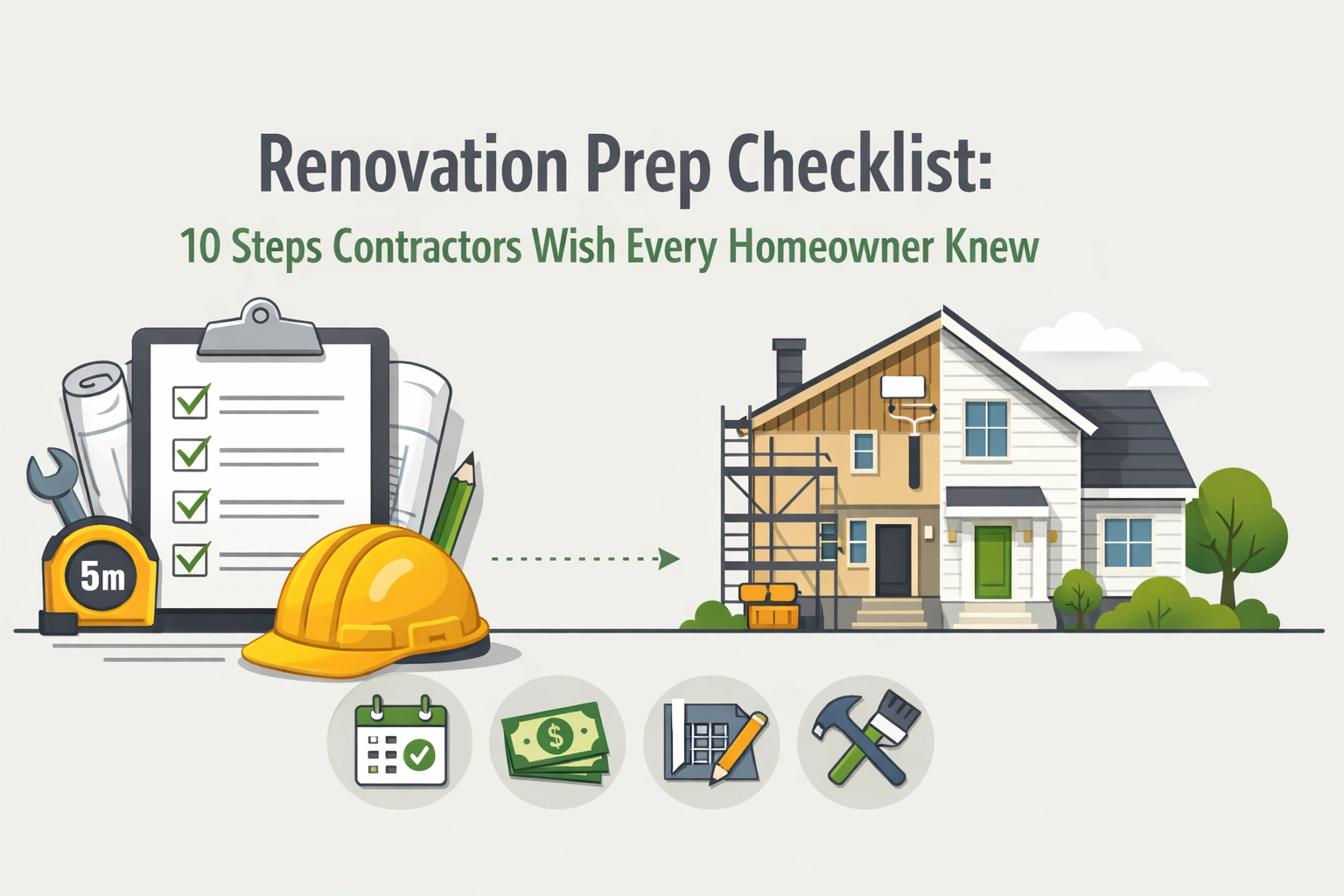
Most renovation nightmares start before the first hammer swings.
You've watched enough HGTV to know what can go wrong. But here's what those shows don't tell you: the homeowners who do their homework before demo day save thousands and sleep better at night.
After years of handling interior demolition projects across Delaware County, Chester County, Wilmington, and South Jersey, we've seen which prep steps separate smooth renovations from costly disasters.
Here are the 10 steps every contractor wishes you'd complete before the work starts.
1. Define Your "Why" Before Your "What"
Don't jump straight to Pinterest boards.
Start with the problem you're solving. Are you fixing a layout that doesn't work? Adding space for a growing family? Updating outdated systems that cost you money each month?
Your "why" drives every decision that follows, budget, timeline, contractor selection, materials. When you're clear on the end goal, you won't get distracted by shiny finishes that don't serve your purpose.
Write it down. Share it with your contractor. This becomes your north star when inevitable trade-offs arise.
2. Budget Like a Realist, Not an Optimist
Here's the math contractors use: Take your renovation budget and add 15-20% for contingencies.
Not "maybe" contingencies. Guaranteed ones.
That wall you're opening up? There's old wiring behind it that needs updating to 2026 code. That floor you're pulling up? The subfloor underneath needs repair. These aren't worst-case scenarios, they're Tuesday.
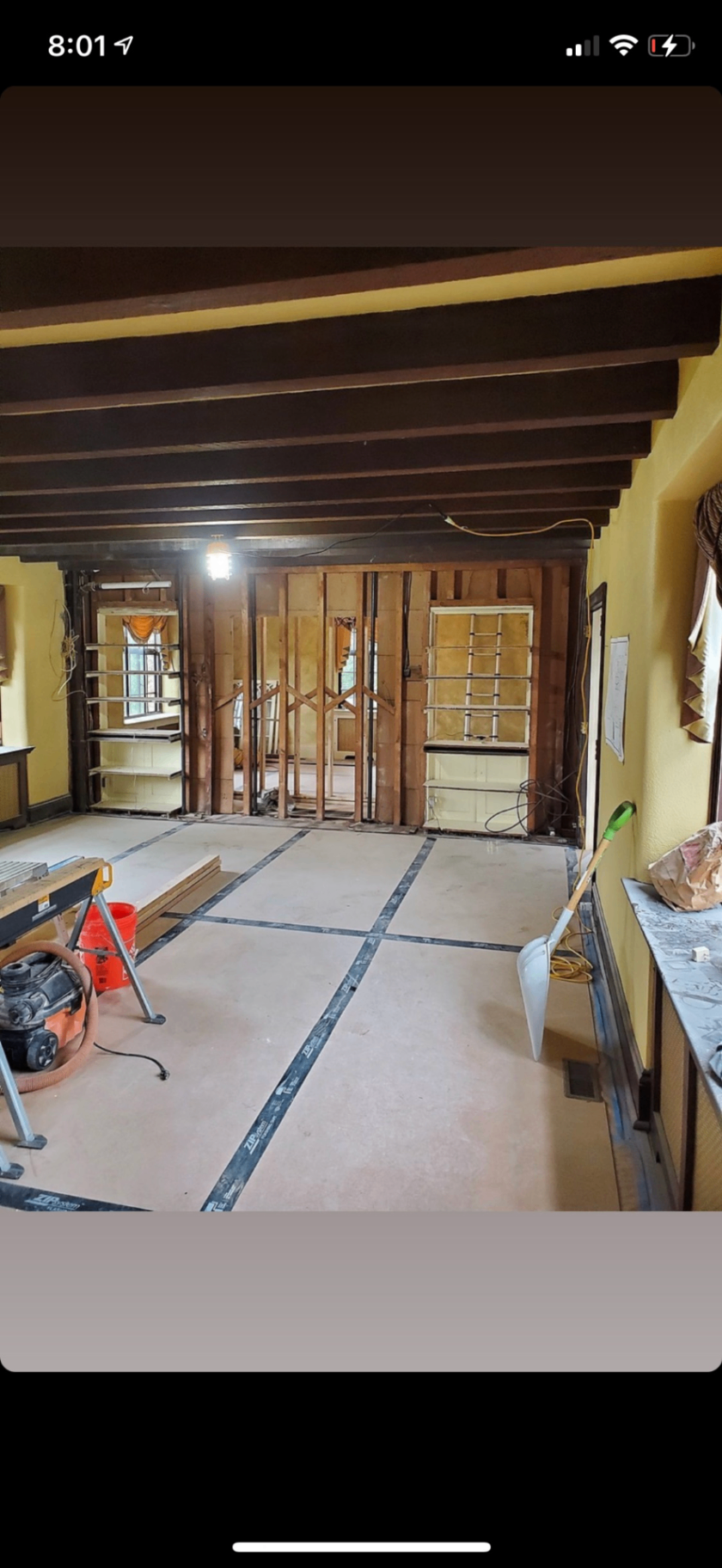
Break your budget into phases:
- Demo and disposal (including proper lead-safe practices if your home was built before 1978)
- Structural work and systems (electrical, plumbing, HVAC)
- Finishes (drywall, paint, flooring)
- Fixtures and details
- Contingency fund (15-20% of total)
Get multiple quotes for each phase. Delaware County pricing differs from Chester County, and South Jersey rates run differently than Wilmington. Don't assume, verify.
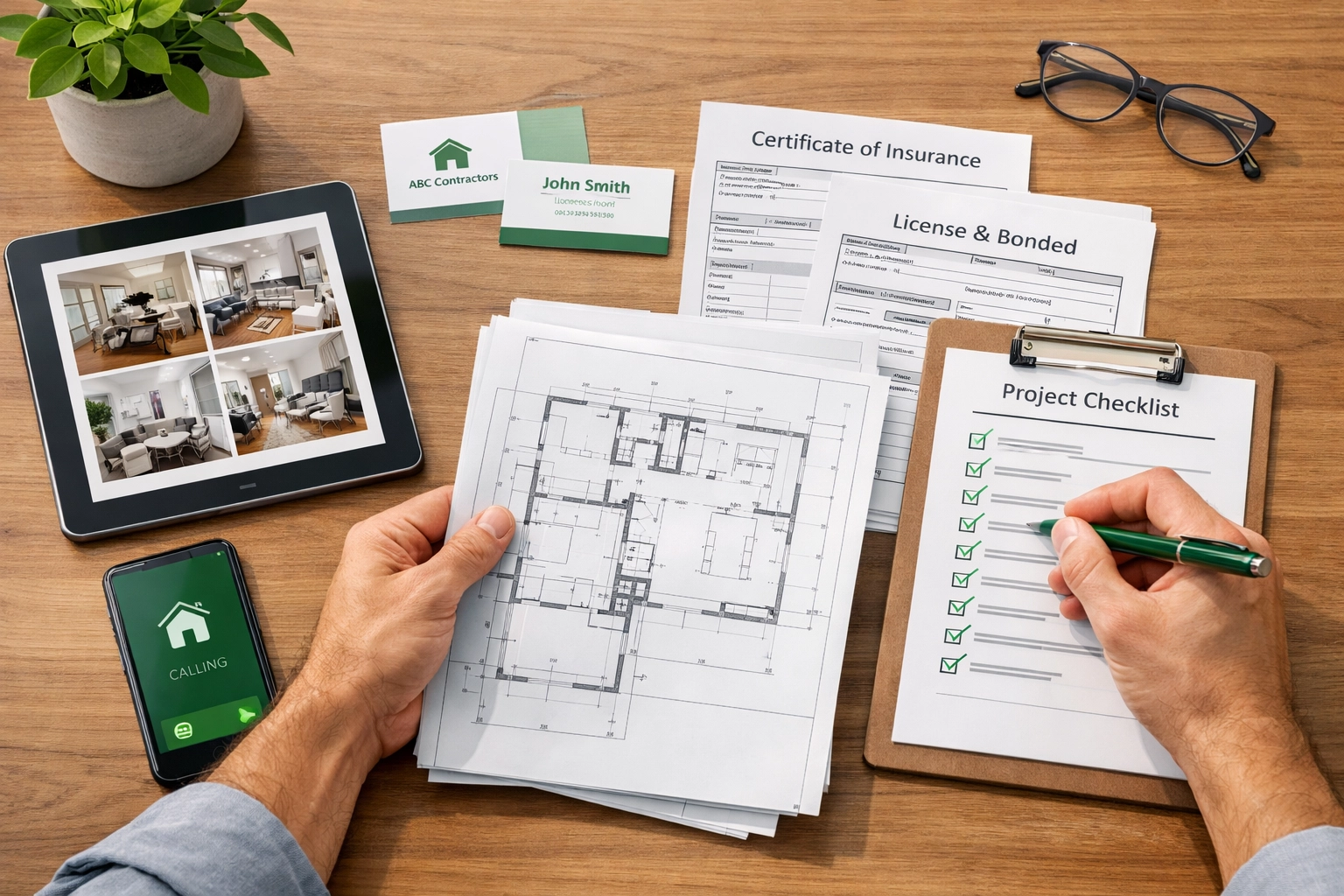
3. Vet Contractors Like You're Hiring a Surgeon
Because in a way, you are. They're operating on your biggest investment.
Don't just check three boxes and call it done. Dig deeper:
- How long have they handled projects like yours?
- Can they show you completed work in your area?
- Will they walk you through their safety protocols and site cleanliness standards?
- Are they current on 2026 lead-safe renovation requirements for pre-1978 homes?
- Do they carry sufficient liability insurance and workers' comp?
Ask for references. Then actually call them. Ask what went wrong during those projects and how the contractor handled it. That tells you more than what went right.
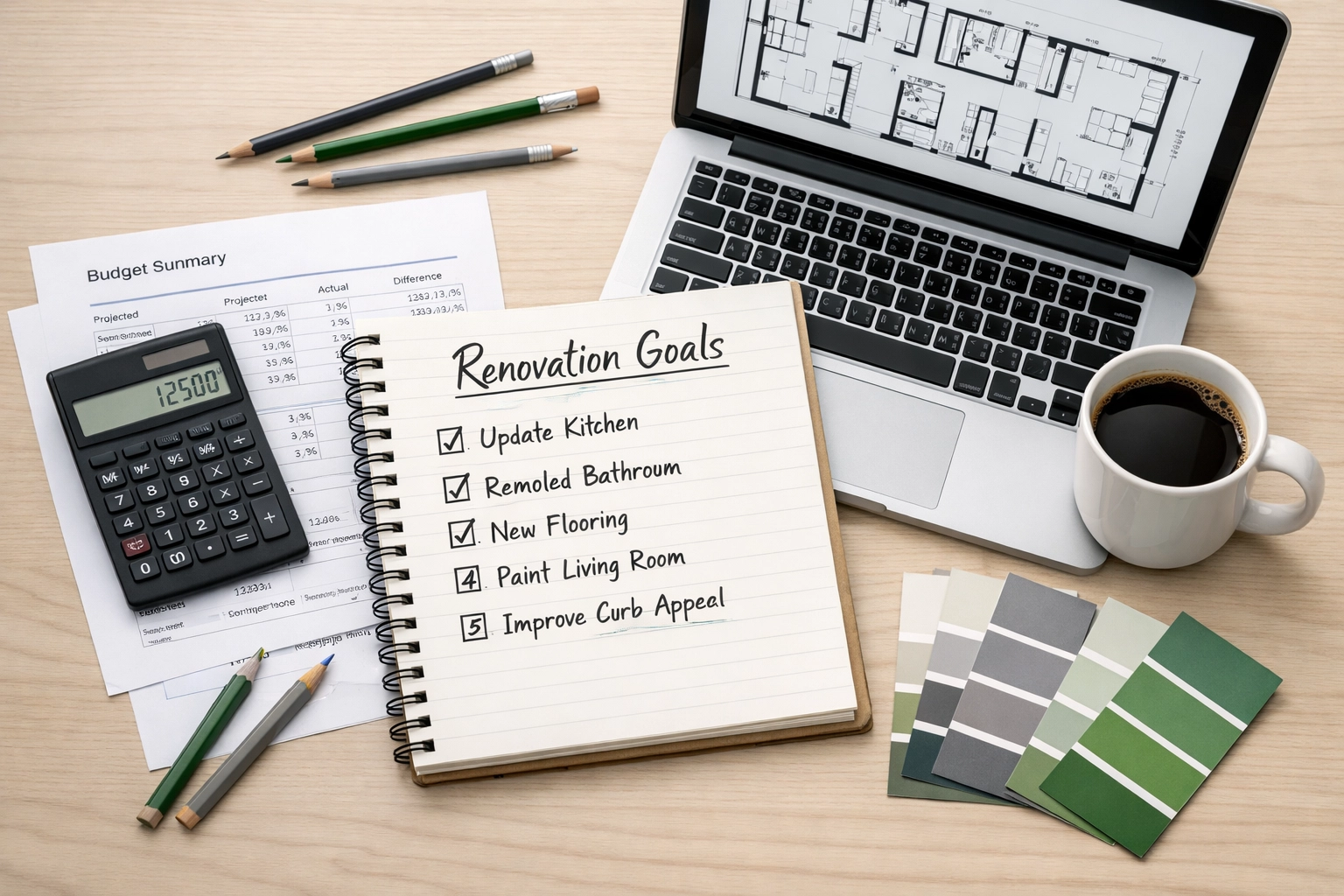
4. Understand Permits Before You Need Them
This is where homeowners lose weeks of progress and thousands in fines.
Call your local building department now. Before you finalize plans. Before you hire anyone. Ask:
- What permits does your specific project require?
- What's the current timeline for permit approval?
- Are there any neighborhood-specific restrictions or historical designations?
- What triggers additional requirements (structural changes, electrical upgrades, plumbing relocation)?
In Delaware County and Chester County, permit requirements vary by township. Wilmington has its own rules. South Jersey municipalities each have different standards.
Your contractor should handle permits, but you need to understand what's required and factor approval time into your schedule.
5. Inspect Before You Demolish
Hidden problems are only hidden until you start tearing things apart.
Smart contractors perform a thorough assessment before demo day. This includes:
- Checking for water damage, mold, or structural issues
- Identifying asbestos-containing materials in older homes
- Testing for lead paint in pre-1978 construction
- Locating utilities and shut-off valves
- Documenting existing conditions
This isn't pessimism. It's realism. Finding issues during planning costs hundreds. Finding them mid-project costs thousands.
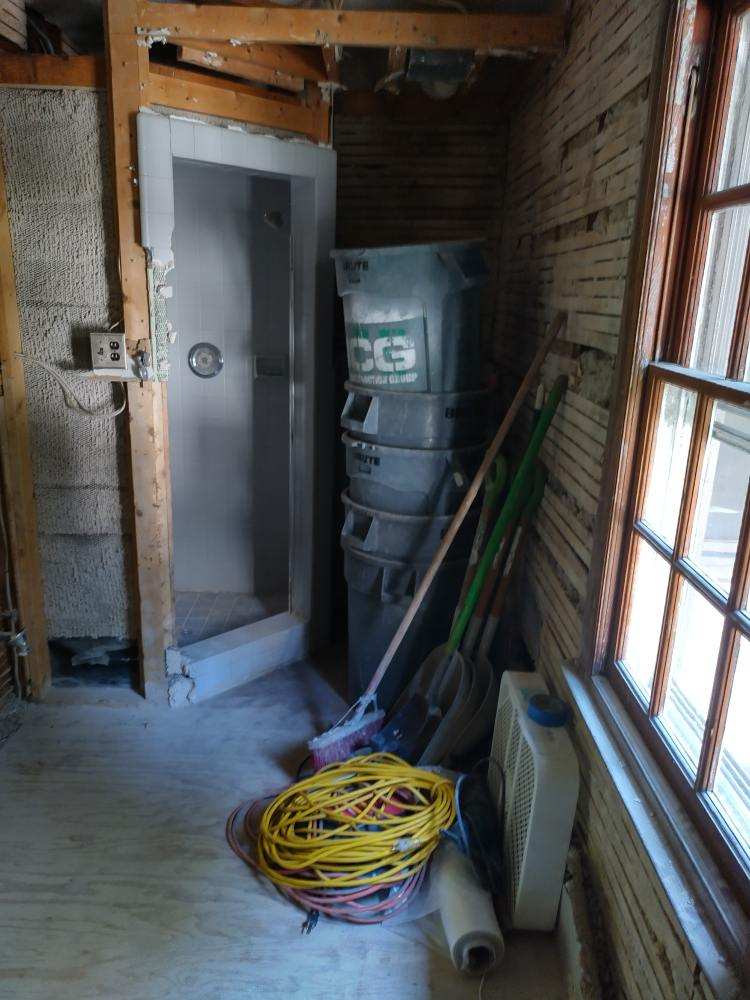
6. Sequence Your Project Like a Pro
Order matters more than you think.
The right sequence: structural changes first, then systems (electrical, plumbing, HVAC), then finishes (drywall, paint, flooring).
Do it backwards and you're paying twice for the same work.
Here's what that looks like in practice:
- Week 1-2: Interior demolition and debris removal
- Week 2-3: Structural modifications, if any
- Week 3-5: Rough electrical, plumbing, HVAC
- Week 5-6: Insulation and drywall
- Week 6-7: Prime and paint
- Week 7-8: Flooring, fixtures, and final details
Add buffer time between phases. Your electrician might find issues that need addressing before drywall goes up. Plan for it.
7. Order Long-Lead Items Immediately
Custom cabinets? 12-16 weeks.
Special-order tile? 8-12 weeks.
Certain appliances? 6-10 weeks.
These timelines can derail an entire project schedule.
Order major items before demo starts. Yes, before. Confirm delivery dates in writing. Follow up weekly. Have backup options identified if your first choice isn't available.
Nothing's more frustrating than having your renovation 90% complete while you wait three months for backordered light fixtures.
8. Establish Communication Standards
Most contractor-homeowner conflicts stem from communication breakdowns, not quality issues.
Set clear expectations from day one:
- How often will you get progress updates? (We recommend daily photo updates and weekly in-person check-ins)
- What's the response time for questions? (Same day? Next business day?)
- How will change orders be documented and approved?
- Who's your point of contact for day-to-day questions versus major decisions?
Put everything in writing. Email chains create a paper trail that protects both parties.
9. Plan Your Logistics Before You're Desperate
Where will you live during a full kitchen or bathroom renovation?
Think through the details:
- Can you function in your home during construction, or do you need temporary housing?
- Where will you store furniture and valuables during demolition?
- Do you need temporary utility disconnections?
- How will debris removal work? (Daily haul-away keeps job sites clean and safe)
- What's your backup plan if the project runs over schedule?
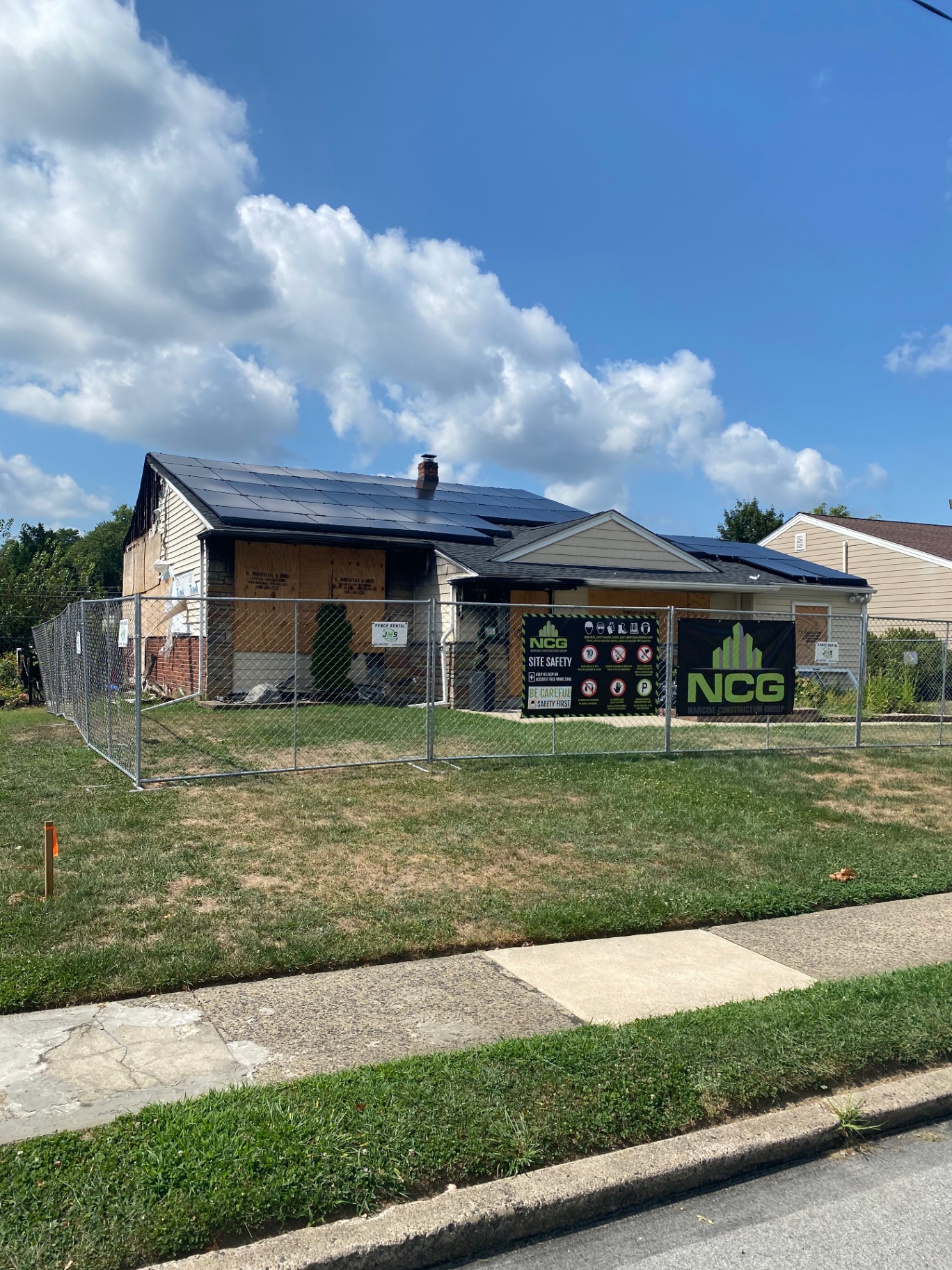
At Narcise Construction Group, we've seen projects go smoothest when homeowners plan for disruption and then get pleasantly surprised when it's less chaotic than expected. Do it the other way around and you're miserable.
10. Prepare for the Lead Paint Reality
If your home was built before 1978, assume it has lead paint until testing proves otherwise.
This isn't optional anymore. As of 2026, lead-safe renovation standards are stricter than ever: and for good reason. Lead exposure causes serious health issues, especially for kids.
What this means for your project:
- Contractors must be EPA Lead-Safe Certified
- Work areas must be contained and sealed
- Special cleanup procedures are required
- Dust testing may be necessary before reoccupying spaces
- Disposal of lead-containing materials follows specific protocols
This adds time and cost to your project. Factor it in from the beginning. Cutting corners on lead safety isn't just illegal: it's dangerous.
Ready to Start Your Renovation Right?
The homeowners who follow these 10 steps don't just get better results. They get safer job sites, cleaner work areas, more accurate budgets, and fewer surprises.
Narcise Construction Group specializes in the prep work that makes renovations succeed: interior demolition, concrete cutting, hot tub removal, and shed removal done safely, cleanly, and efficiently across Delaware County, Chester County, Wilmington, and South Jersey.
We're fully licensed and insured. We follow 2026 lead-safe practices. And we keep our job sites clean: because your home isn't a construction zone; it's where you live.
📞 Ready to discuss your project? Call us at (610) 999-8200
📩 Want a detailed quote? Email info@narciseconstructiongroup.com with your project details
📲 Need fast pricing? Text photos of your space to (610) 999-8200
Let's get your renovation started the right way( with preparation that prevents problems instead of creating them.)