

You hire a demolition contractor to transform your space. Not to coat every surface in your house with a layer of construction dust.
But here's the thing , most homeowners in Delaware County, Chester County, Wilmington, and South Jersey don't realize that the mess covering their furniture, creeping into their HVAC system, and settling on dishes in closed cabinets isn't just "part of the process."
It's a sign your contractor isn't following modern dust control protocols.
And in 2026, there's zero excuse for it.
What Actually Changed in 2026
Let's be clear: No magic federal law passed on January 1st that suddenly made dirty demo jobs illegal.
What changed was this , homeowner expectations caught up with what's actually possible when you work with a professional crew.
The bar moved. Industry-wide, clients in our service areas started asking the right questions before signing contracts:
- "How will you protect my floors?"
- "What's your dust containment plan?"
- "Can I stay in my house during demo work?"
- "How do you keep debris from spreading to other rooms?"
And contractors who couldn't answer those questions started losing jobs to the ones who could.
EPA air quality standards didn't loosen up. OSHA crystalline silica exposure limits didn't disappear. Local ordinances around fugitive dust didn't get more forgiving.
If anything, enforcement tightened.
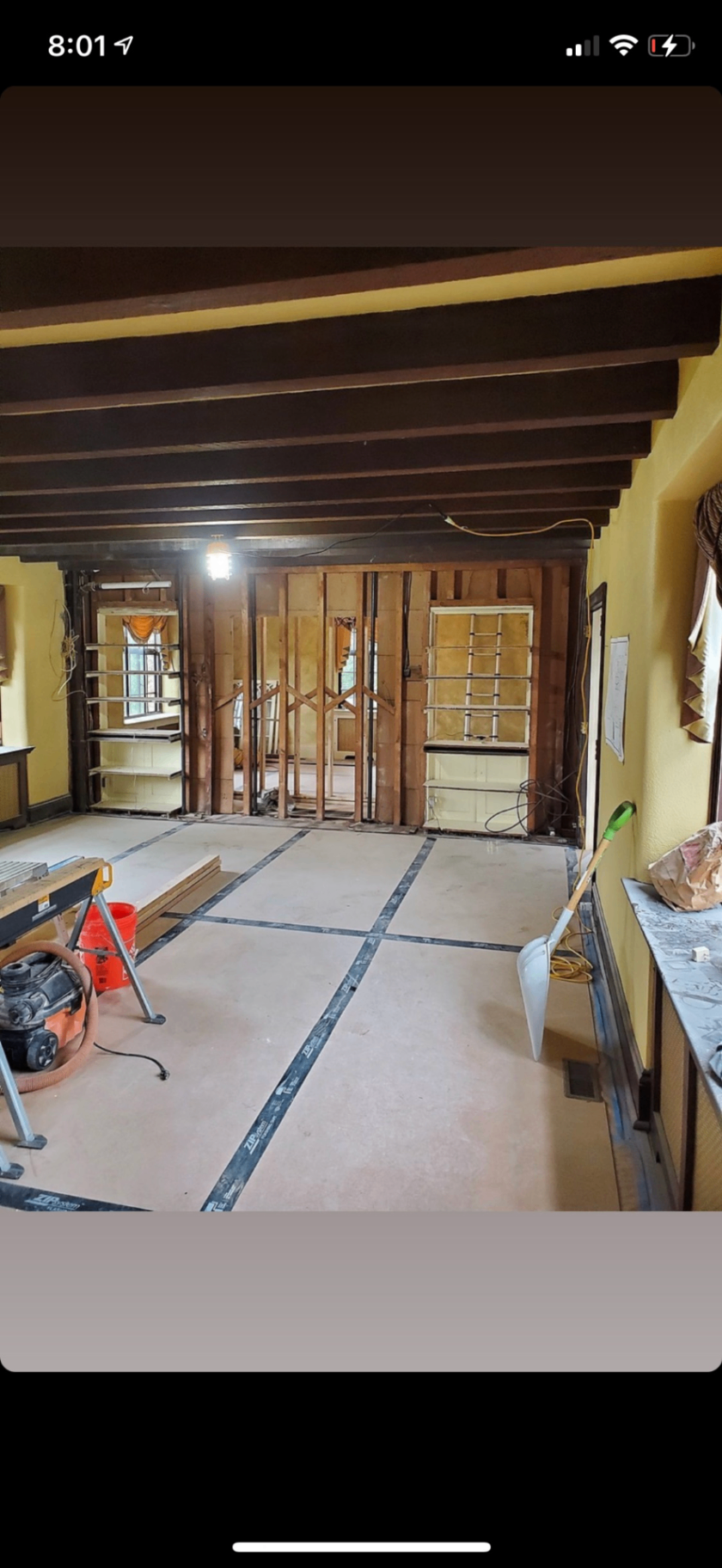
The real shift? Homeowners stopped accepting "it's just part of the job" as a valid explanation for living in a dust cloud.
The Narcise Clean Philosophy
Here's how we think about residential demolition:
Your house isn't a construction site. It's your home.
That single mindset shift changes everything about how we approach interior demo work.
Most demolition crews treat your living room like the inside of a dumpster. They figure you'll deep clean after they leave anyway, so why bother with containment?
We built our entire process around the opposite assumption.
The Narcise Clean standard means:
- Contained work zones using professional dust barriers and ZipWall systems
- Protected walkways so you're not tracking debris through your house
- Daily cleanup before we leave your property
- Floor and surface protection from entry to exit
We're not saying zero dust is possible. We're saying uncontrolled dust spread is unacceptable.
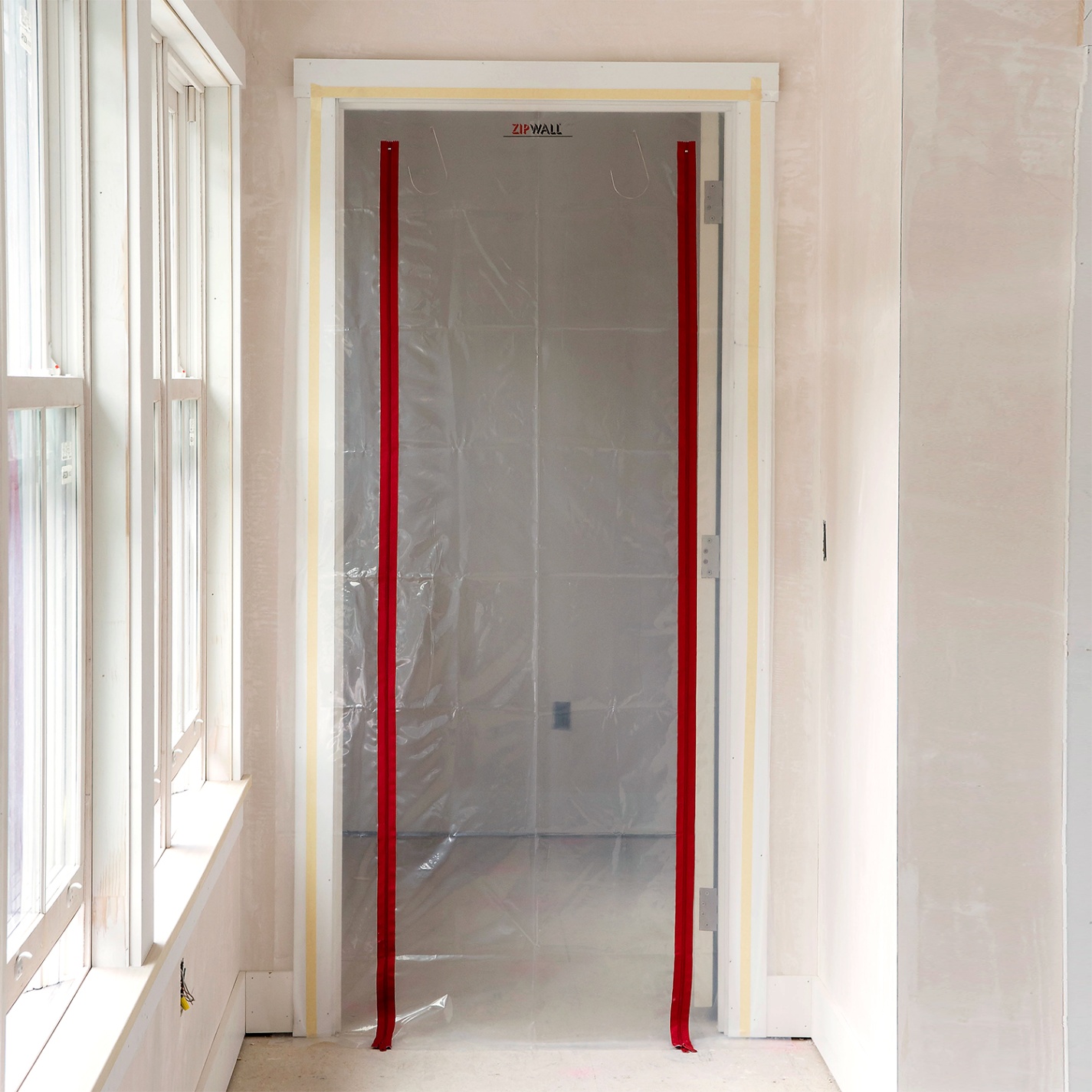
And yes, this takes more time upfront. Setting up containment adds 45 minutes to an hour before we swing the first sledgehammer.
But it saves you 10+ hours of cleanup after we're gone.
How Modern Dust Control Actually Works
Forget the construction crew that shows up with a Shop-Vac and some plastic sheeting from Home Depot.
Real dust control in 2026 requires a system.
Before Demo Starts:
- Install professional dust barriers at every access point
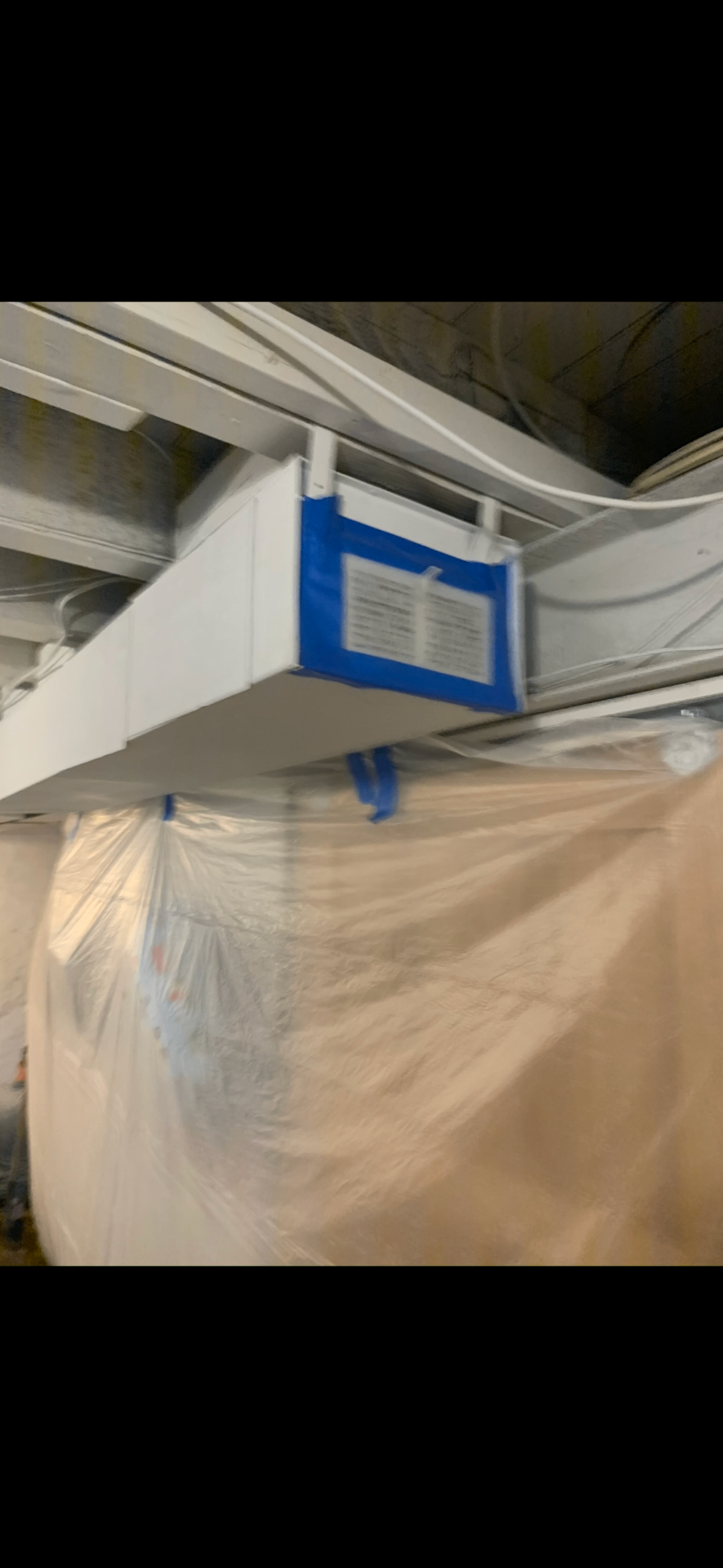
- Seal HVAC vents and returns in the work area
- Cover floors with adhesive-backed protective film (not cheap plastic drop cloths)
- Set up negative air pressure using HEPA filtration systems on larger jobs
During Demolition:
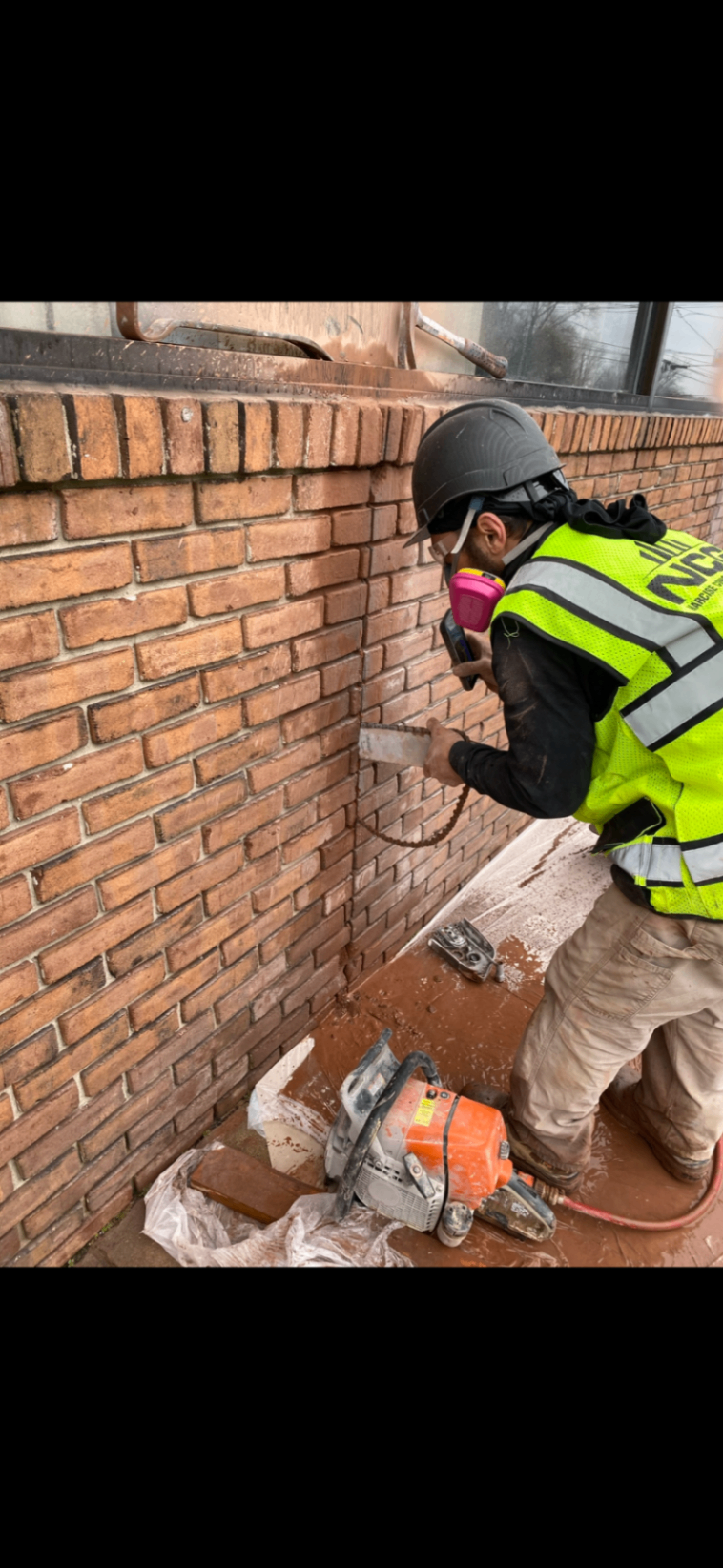
- Use water suppression on concrete cutting and masonry work
- Run HEPA vacuums continuously during teardown
- Bag debris immediately instead of piling it in corners
- Keep doorways sealed except during material removal
After Each Day:
- Vacuum work areas and protected pathways
- Wipe down surfaces where dust settled
- Remove debris from the property daily (not "when we're done")
- Inspect containment barriers for gaps or tears
This isn't aspirational. This is standard operating procedure for residential demolition services at NCG.
Floor Protection That Actually Protects
Here's where most contractors cut corners:
They throw down a few sheets of rosin paper, maybe some cardboard if you're lucky, and call it floor protection.
Three days later, your hardwood floors have scratches from dragged debris, your tile has scuff marks from equipment, and there's a fine layer of dust ground into every grout line.
Proper floor protection looks like this:
Layer 1: Adhesive-backed protective film directly on the floor. This creates a sealed barrier that prevents dust from settling underneath.
Layer 2: Heavy-duty corrugated protection board on high-traffic paths and under heavy equipment.
Layer 3: Additional plywood or masonite on areas where we're rolling dumpsters or moving major debris.
We protect from your front door to the work area. The entire path.
Because here's what happens when you don't: Every trip in and out tracks debris. Dust settles in the hallway. Grit gets embedded in flooring. And suddenly your $8,000 bathroom demo turned into a $2,000 floor refinishing bill.
What This Means for Delco, Chesco, Wilmington, and South Jersey Homeowners
You shouldn't have to evacuate your house for a bathroom gut or kitchen teardown.
If your contractor tells you "you can't be here during demo" : that's a red flag.
It means they know they can't control the mess.
Modern contained demolition allows you to:
- Live in your house during most projects
- Use rooms adjacent to the work area
- Avoid deep-cleaning your entire home after the job
- Keep dust out of your HVAC system
- Protect furniture and belongings without relocating everything
Obviously, some projects require temporary relocation. Full-house guts. Major structural work. Situations where utilities need to be shut down.
But a basement bathroom demo? A kitchen teardown? Removing a load-bearing wall?
You should be able to sleep in your upstairs bedroom while we handle that work.
The Questions You Should Ask Before Hiring
Don't just accept "we're licensed and insured" as the bar for contractor selection.
Here's what to ask during your initial consultation:
"What's your dust containment process?"
If they can't describe a specific system, walk away.
"How do you protect floors and existing finishes?"
Listen for details. "We use drop cloths" isn't good enough.
"Can I see photos from your last five residential projects?"
Look for protected pathways, sealed work zones, and clean staging areas.
"What happens at the end of each workday?"
The answer should include daily cleanup and debris removal.
"Will I be able to access the rest of my house during the project?"
If the answer is no for a single-room demo, that tells you everything about their containment capabilities.
What Happens When You Skip the Clean Approach
Let's talk consequences.
Short term: You spend a week cleaning every surface in your house. You replace your HVAC filters three times. You find construction dust in closed drawers six months later.
Long term: That dust contained crystalline silica from concrete cutting. Lead particles if you're in an older home. Asbestos fibers if your contractor didn't test before disturbing materials.
And your family breathed all of it.
OSHA regulates this stuff for worker protection. But those same hazards don't magically disappear when workers leave. They settle throughout your house if they're not contained.
This isn't fear-mongering. This is basic environmental health.
Bottom Line
Dirty demolition isn't cheaper. It's lazy.
The cost difference between a contained demo and a dust-everywhere demo? Maybe 10-15% more labor time upfront.
The value difference to you as a homeowner? Massive.
At Narcise Construction Group, The Narcise Clean isn't a marketing tagline. It's how we've structured every residential demolition project since we started operating in Delaware County, Chester County, Wilmington, and South Jersey.
We're selective demolition specialists. Not junk haulers who picked up a sledgehammer last Tuesday.
📞 Ready to start your project the clean way?
Call or text (484) 568-5112 with your project details. We'll walk you through exactly how we'll contain the work zone, protect your home, and keep your living areas livable during the entire demo process.
Or visit narciseconstructiongroup.com to see our full range of services.
Because in 2026, you shouldn't have to choose between getting your renovation done and keeping your house clean.
You should get both.