
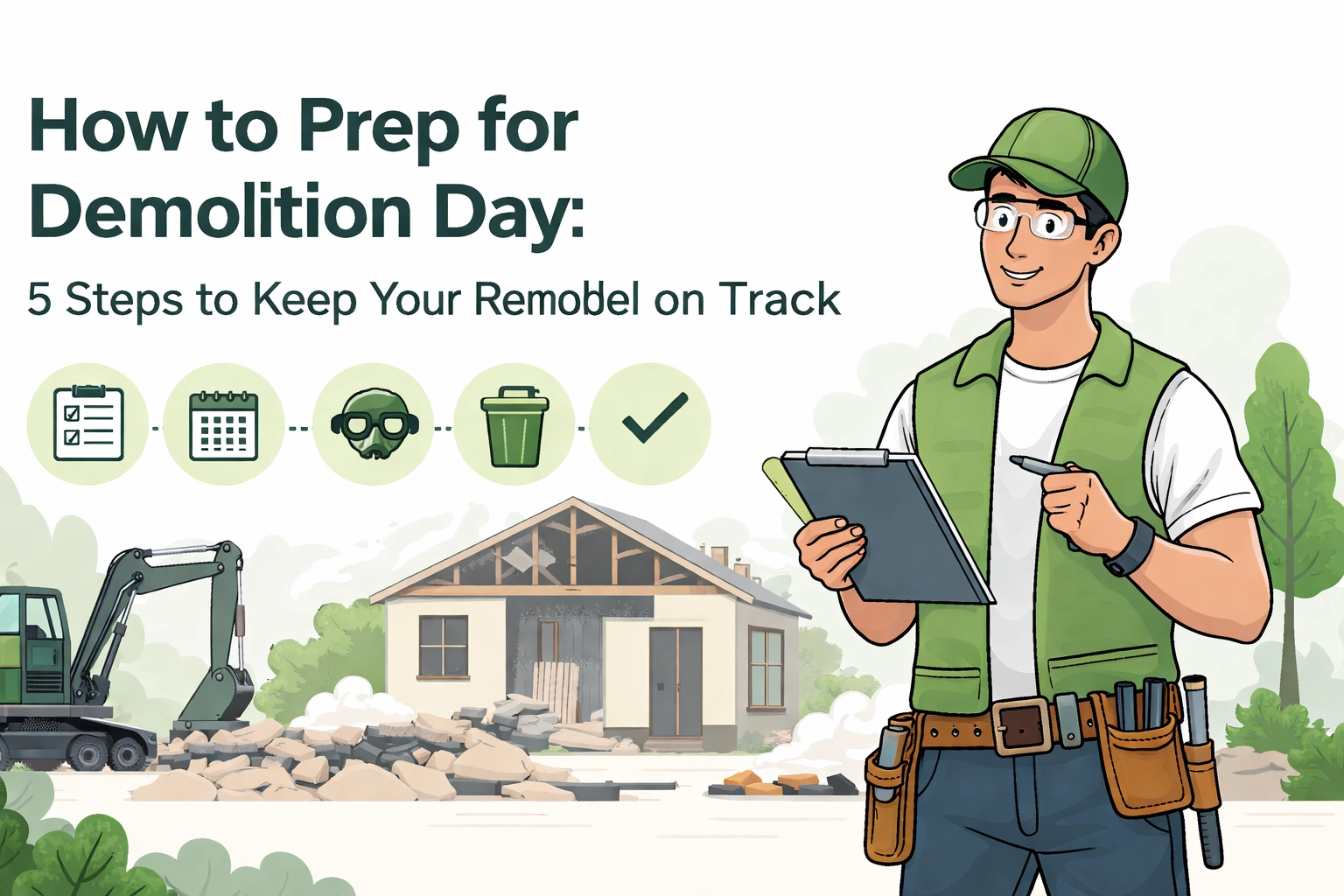
You've made the decision. The old kitchen is coming out. That dated bathroom is getting gutted. Or maybe you're doing a full-scale residential demolition to finally transform your home into what you've always wanted.
But here's the thing : demolition day isn't just about swinging sledgehammers and tearing things apart.
The real magic happens before the first wall comes down. Proper preparation keeps your remodel on schedule, protects your home, and ensures everything goes smoothly from start to finish.
Whether you're working with a demolition contractor for interior demolition or tackling a larger selective demolition project, these five steps will set you up for success.
Step 1: Get Your Permits Sorted Early
Let's start with the least exciting (but most important) part of the process: permits.
Permits are the number one cause of project delays. Municipal timelines, zoning restrictions, and paperwork requirements vary by location. And if you don't have the right approvals in place? Your project grinds to a halt before it even begins.
Here's what you need to do:
- Check local building codes. Every municipality has different requirements for demolition work. Some require permits for any structural changes, while others have specific rules for interior demolition versus exterior work.
- Gather your documentation. You'll typically need proof of ownership, and depending on the scope, environmental assessments or structural reviews.
- Start early. Permit approval can take days or weeks. Don't wait until the last minute.
The good news? A professional demolition contractor handles this stuff regularly. At Narcise Construction Group, we know the local requirements inside and out : so you don't have to become a permit expert overnight.
Step 2: Coordinate Utility Disconnections
This one's non-negotiable. Before any demolition work begins, all utilities need to be safely disconnected.
We're talking about:
- Electricity : prevents fire hazards and electrocution risks
- Gas : avoids potential leaks and explosion dangers
- Water : stops flooding and water damage to unaffected areas
- Sewer/septic lines : eliminates contamination risks
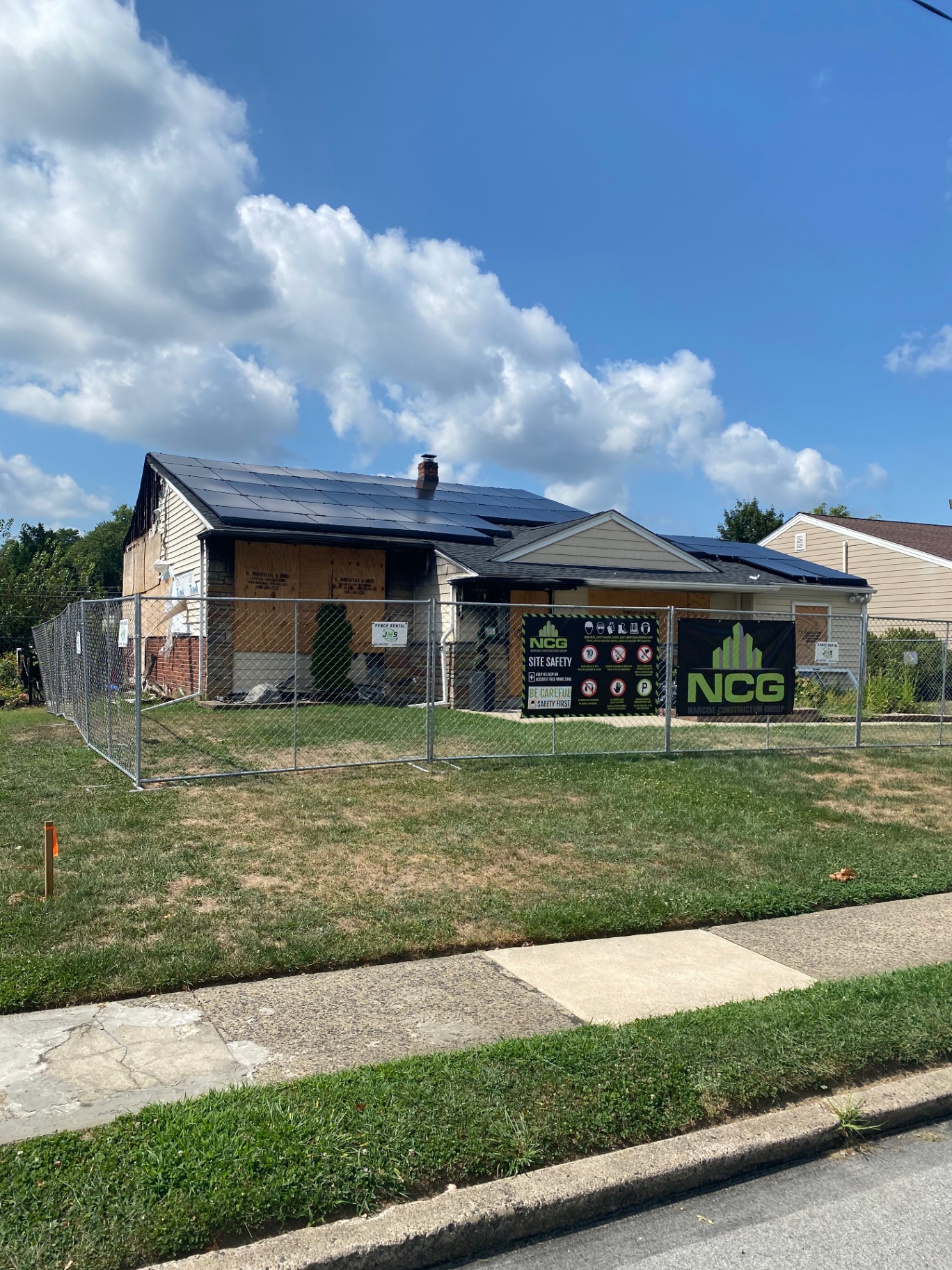
Timing matters here. You want utilities disconnected close enough to demolition day for safety : but not so early that you're living without power or water longer than necessary.
Contact your utility providers at least a week or two before your scheduled demo date. Let them know your timeline and coordinate the shutoffs.
Pro tip: Some jurisdictions require floating meter requests to track utility usage during construction. Your demolition contractor can help you navigate these requirements.
Step 3: Handle Environmental and Safety Assessments
Here's where things get serious.
Older homes : especially those built before the 1980s : may contain hazardous materials like asbestos, lead paint, or other substances that require special handling.
Before any residential demolition or interior demolition begins, you need a professional inspection.
This isn't optional. It's about:
- Protecting your family and neighbors from harmful exposure
- Keeping your project legally compliant
- Ensuring proper disposal of any hazardous materials
If hazardous materials are found, specialized contractors remove them before demolition proceeds. You'll receive disposal receipts for compliance purposes.
At Narcise Construction Group, safety isn't an afterthought : it's built into every step of our process. We work with qualified inspectors and ensure all environmental concerns are addressed before we start swinging.
Step 4: Communicate with Your Neighbors (and Your Contractor)
Demolition isn't quiet work. There's going to be noise, dust, and activity around your property. Getting ahead of this with clear communication prevents headaches down the road.
For your neighbors:
- Send a quick written notice about the demolition schedule
- Let them know the expected duration and work hours
- Provide contact information in case they have concerns
For your demolition contractor:
- Discuss the full scope of work
- Confirm what's being demolished and what's staying
- Review the timeline and any potential disruptions
Good communication keeps everyone on the same page. It also prevents misunderstandings that could slow down your project or create friction with the people living next door.
When you work with a professional team for selective demolition, clear communication is part of the deal. We walk through every detail before demo day so there are no surprises.
Step 5: Clear the Path and Prep the Space
Now for the hands-on preparation.
Before your demolition contractor arrives, you need to make sure they can actually get to work. That means clearing access routes and prepping the demolition zone.
Clear equipment access:
- Remove fences, gates, or obstacles blocking entry points
- Trim back trees or shrubs in the work path
- Verify driveways can handle heavy equipment weight
Prep the interior:
- Remove personal belongings from the demolition area
- Take down wall art, mirrors, and anything fragile in adjacent rooms
- Relocate furniture away from the work zone
Identify salvageable items:
Here's a money-saving tip : before demolition begins, identify items worth salvaging or recycling. Doors, fixtures, hardwood flooring, copper piping, and architectural details can often be removed and reused or sold.
This reduces disposal costs and keeps usable materials out of the landfill. Win-win.
What to Expect on Demolition Day
You've done the prep work. Permits are secured. Utilities are disconnected. The space is cleared and ready.
So what happens when the demolition contractor shows up?
A safety-first approach. Before any work begins, the crew should conduct a safety walkthrough. At Narcise Construction Group, we hold safety huddles before every job : reviewing the scope, identifying potential hazards, and ensuring everyone knows the plan.
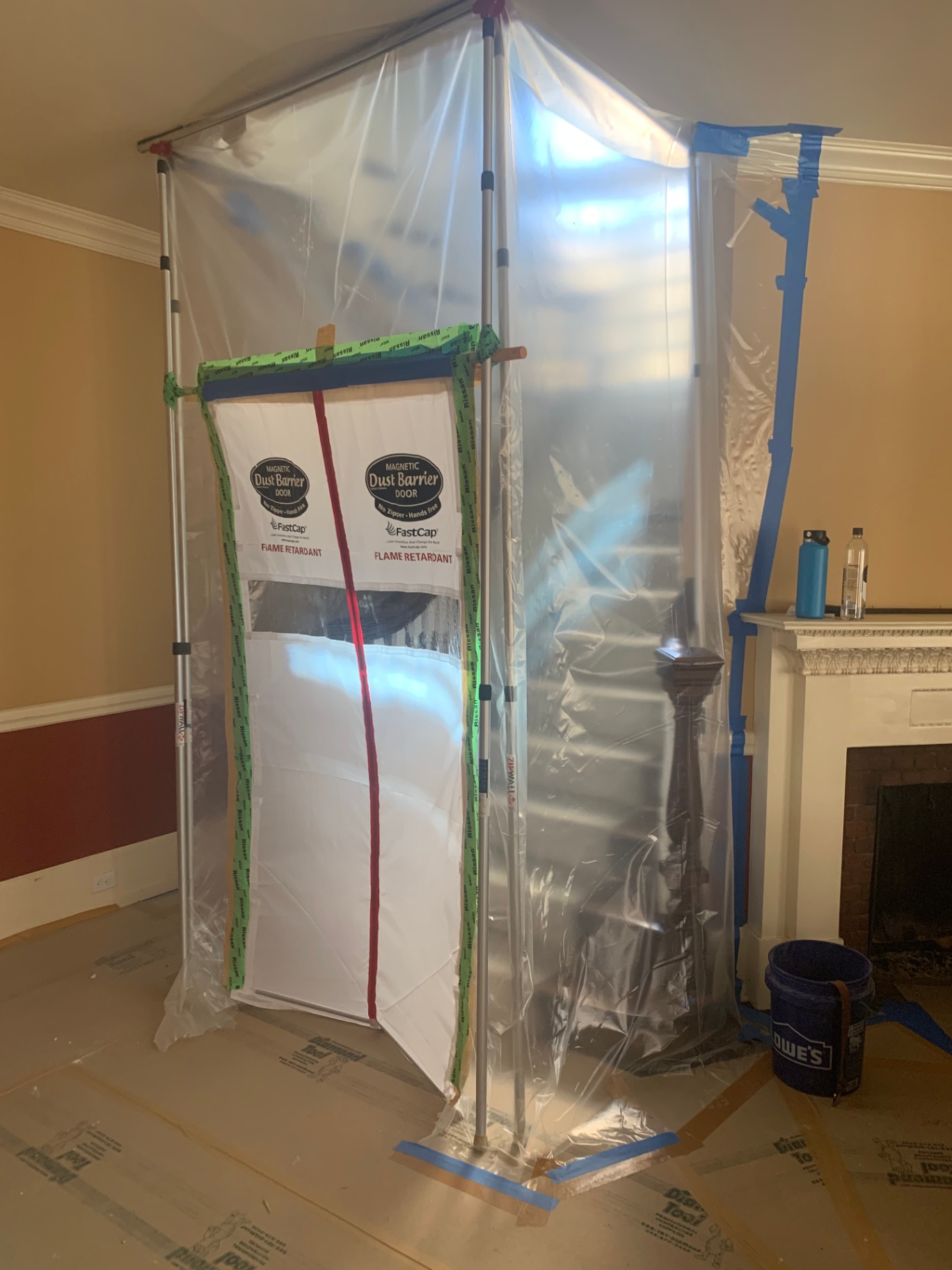
Dust and debris containment. Interior demolition creates dust. A lot of it. Professional crews use containment systems : plastic barriers, ZipWalls, and floor protection : to keep debris contained to the work area and protect the rest of your home.
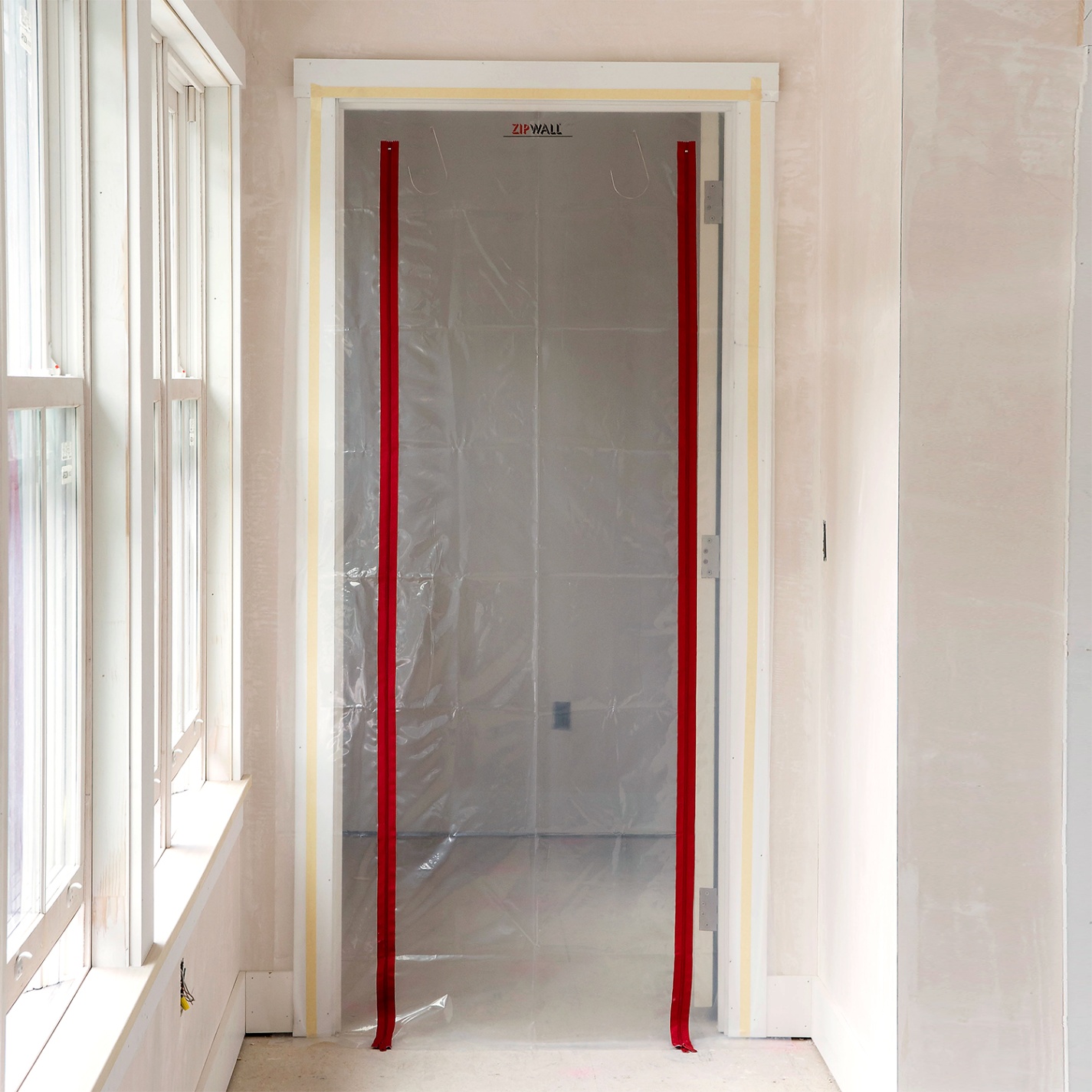
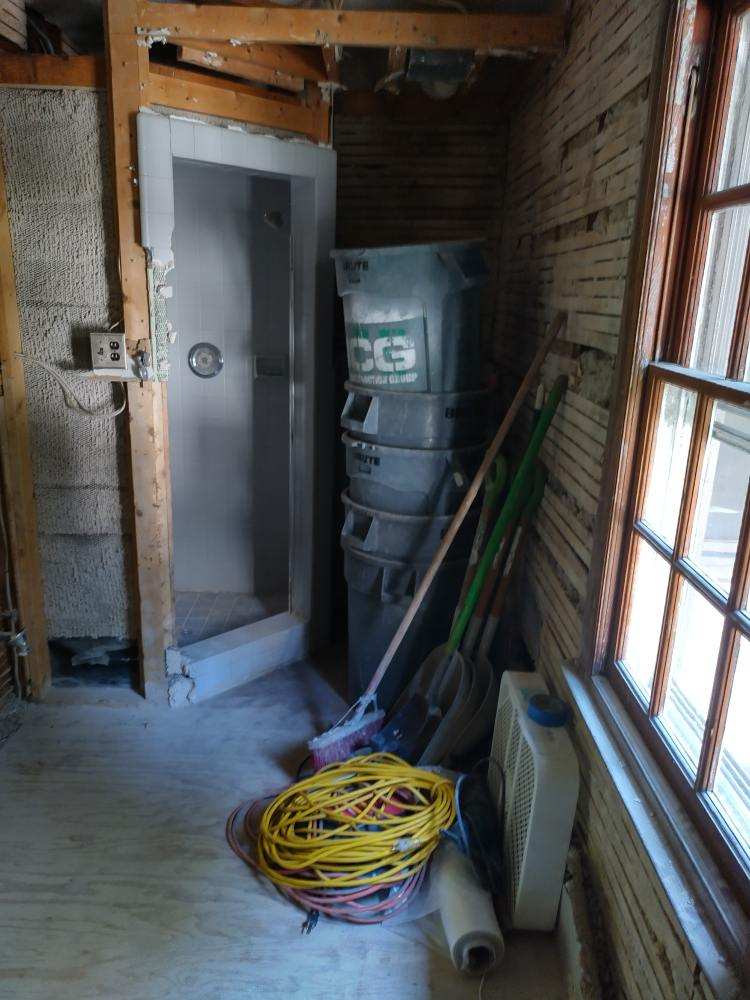
Organized debris removal. Demolition generates waste. A professional team doesn't just tear things apart : they manage debris efficiently, sorting materials for disposal or recycling and keeping the job site clean throughout the process.
Clear communication throughout. You should know what's happening at every stage. Good contractors keep you informed, answer questions, and address any concerns that come up during the work.
Why Preparation Matters for Your Remodel
Here's the bottom line: proper prep keeps your project on track.
Skipping steps leads to delays, unexpected costs, and frustration. But when you take the time to handle permits, utilities, safety assessments, communication, and site preparation upfront? Demolition day becomes the smooth, efficient process it should be.
And when you're working with an experienced demolition contractor who prioritizes organization and safety, the entire remodel flows more smoothly from day one.
Ready to Get Started?
At Narcise Construction Group, we specialize in residential demolition, interior demolition, and selective demolition throughout Delaware County, Chester County, and the surrounding areas.
We're not a junk hauler or a handyman crew. We're a fully licensed and insured demolition team that handles every project : big or small : with the same attention to detail and safety-first approach.
Whether you're gutting a kitchen, removing a bathroom, or prepping for a major renovation, we're here to help.
📞 Give us a call or 📲 text us photos for fast pricing.
Let's get your remodel started the right way.