When you're managing tenant improvements in an occupied commercial building, downtime isn't an option. Your tenants need to stay operational while you upgrade the space. The wrong demolition contractor can shut down entire floors, create safety hazards, and blow through your project timeline.
Concrete sawing for tenant improvements requires precision, planning, and a contractor who understands commercial operations. Whether you're opening up a new storefront in Wilmington or reconfiguring office space in South Jersey, the right demo approach keeps your building running while work happens around it.
Here's how Narcise Construction Group manages concrete cutting projects that don't disrupt your tenants or your bottom line.
1. Off-Hours Scheduling That Actually Works
The best time to cut concrete isn't during business hours. Your tenants don't want saw noise and vibration while they're meeting with clients or serving customers.
Professional contractors coordinate concrete sawing during evenings, weekends, or tenant-specific down times. This isn't just about noise : it's about maintaining building access, parking availability, and normal operations for everyone else in the property.
We work with you to identify the optimal cutting schedule based on your building's traffic patterns. A retail property operates differently than an office building. A medical facility has different constraints than a warehouse.
The key is flexibility. Your project timeline matters, but so does keeping your existing tenants happy and operational.
2. Precision Equipment Selection for Your Space
Not all concrete saws are created equal. The equipment that works for a ground-level slab removal won't work in a second-floor office renovation.
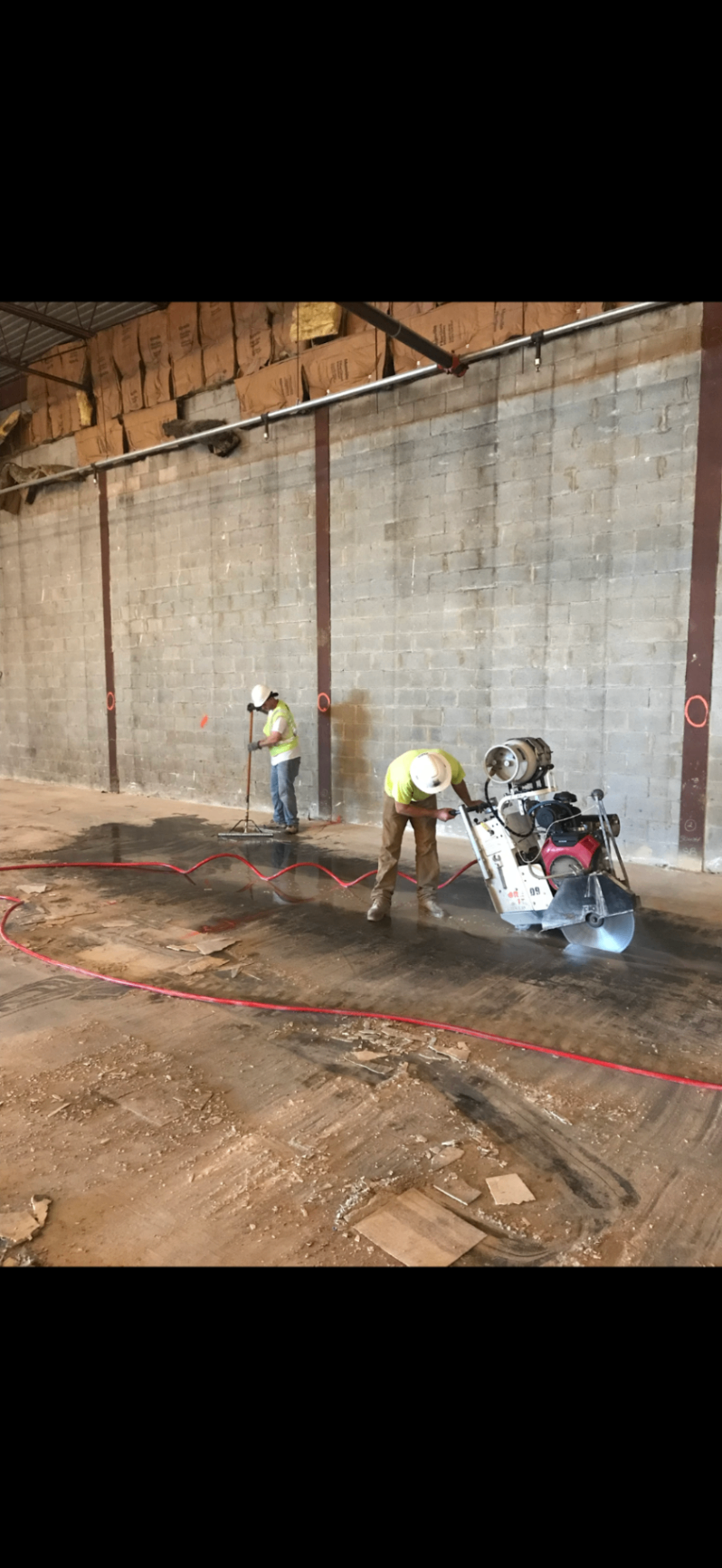
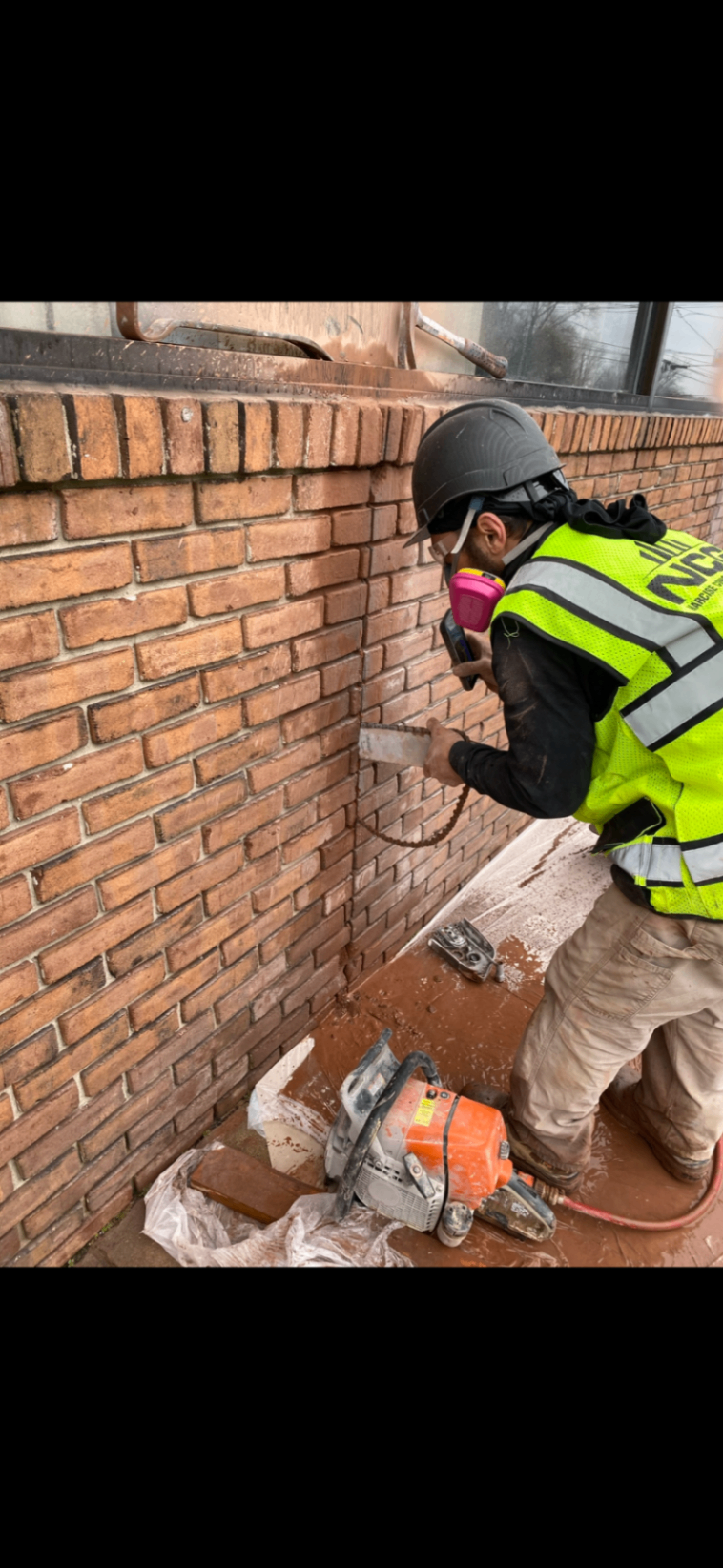
Walk-behind saws handle long, straight cuts efficiently : perfect for creating new doorways or removing large floor sections. Handheld saws navigate tight angles, corners, and vertical cuts where space is limited.
For tenant improvements, we match the equipment to your building's layout and access constraints. Can we get a walk-behind saw to the third floor? Is there elevator access or do we need handheld equipment? What about floor load capacity?
These aren't afterthoughts. They're part of the pre-job planning that prevents delays and keeps your project on track.
In Chester County and Delaware County commercial properties, we've cut concrete in everything from ground-floor retail spaces to multi-story office buildings. The right equipment makes all the difference.
3. Dust Control That Protects Your Tenants
Indoor concrete cutting creates dust. A lot of it. Without proper controls, that dust spreads through HVAC systems, into occupied spaces, and creates liability issues for property managers.
Professional contractors use wet cutting methods to eliminate 90% of airborne dust. Water suppresses dust at the source while the saw blade cuts through concrete. No dust clouds, no settling particulate, no tenant complaints.
We also use HEPA vacuums, dust shrouds, and containment barriers to isolate the work area. Proper ventilation with exhaust fans removes any remaining airborne particles before they circulate through the building.
Your tenants shouldn't know we're there unless they walk past the work area. That's the standard.
4. Utility Mapping Before the First Cut
Nothing shuts down a commercial building faster than cutting through a water main, gas line, or electrical conduit. One mistake and you're evacuating tenants, calling emergency services, and dealing with costly repairs.
We locate and mark every utility before sawing begins. Water lines, gas pipes, electrical conduit, fiber optic cables, HVAC ductwork : everything gets mapped and documented.
This isn't optional. It's standard procedure for any commercial concrete cutting project. We use utility locating services, review building plans, and verify in the field before making a single cut.
In multi-tenant commercial properties, utility runs can be complex and poorly documented. Especially in older buildings throughout Wilmington and South Jersey. We plan for that uncertainty with conservative depth controls and incremental cutting approaches.
Your building stays operational because we don't take shortcuts on utility management.
5. Controlled Depth Cutting That Protects Building Systems
Concrete slabs aren't just concrete. They contain rebar, post-tension cables, embedded conduit, and radiant heating systems. Cut too deep and you damage critical building infrastructure.
We use depth gauges and graduated cutting techniques to control exactly how deep each pass goes. Start shallow, increase incrementally, and stop before hitting embedded systems.
This precision prevents the cascading failures that shut down commercial buildings. No severed cables. No damaged structural reinforcement. No emergency repairs that blow up your project budget.
For tenant improvement work in occupied buildings, this level of control isn't negotiable. One mistake affects multiple tenants, creates liability issues, and extends your project timeline by weeks.
We cut concrete knowing that precision protects your investment and keeps your building operational.
6. Staging and Material Management for Occupied Buildings
Concrete removal in occupied commercial buildings requires more than cutting skills. You need a staging plan that doesn't block tenant access, fire exits, loading docks, or parking areas.
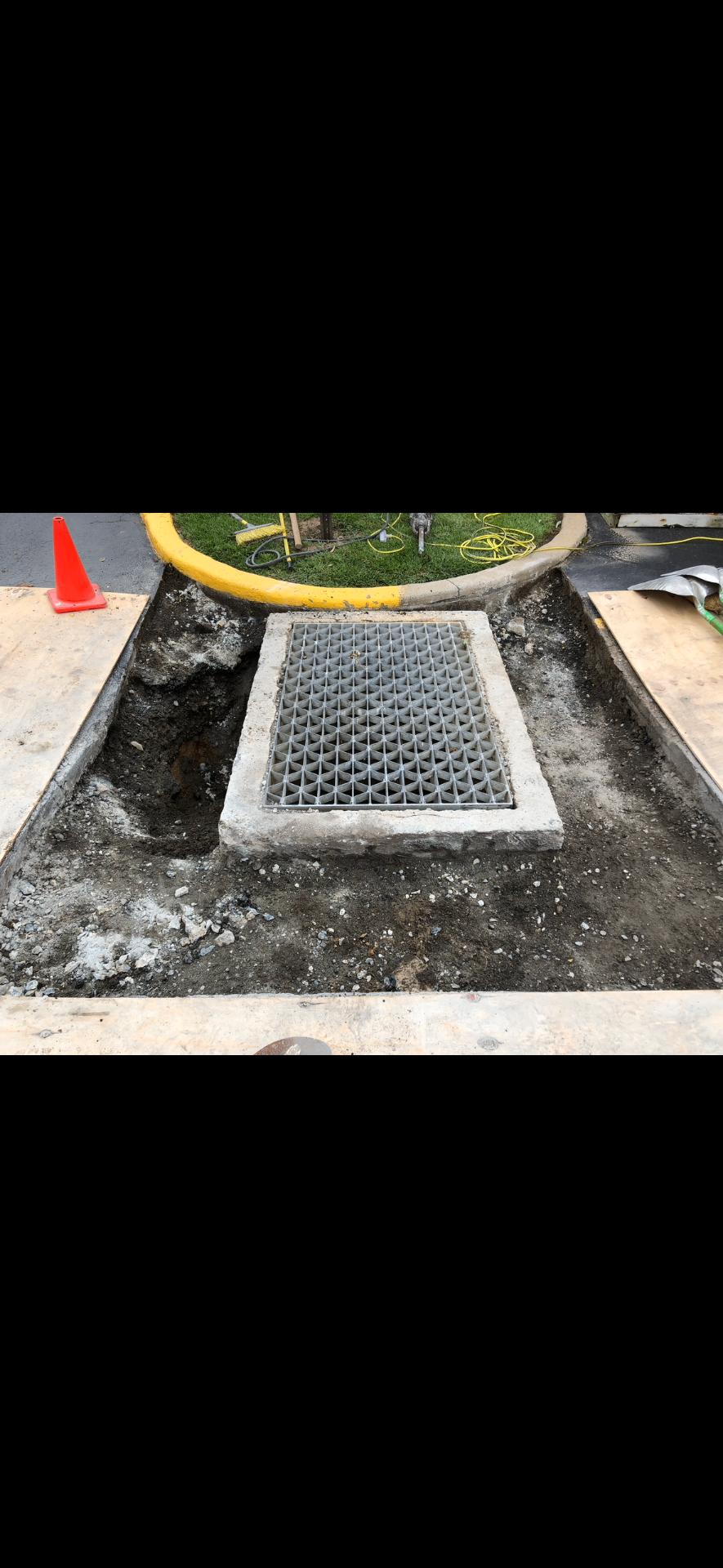
Professional contractors coordinate material removal to minimize building disruption. We stage debris in designated areas, schedule haul-away during low-traffic periods, and maintain clear access routes throughout the project.
For multi-story buildings, this means elevator scheduling, protection of common areas, and coordination with property management. We don't show up with a dumpster and block your main entrance. We plan debris removal around your building's operational needs.
In South Jersey commercial properties, parking and access can be tight. We work with you to minimize impact on your tenants' daily operations.
That's the difference between a contractor who understands commercial work and one who treats every job like a single-family house demo.
7. Safety Protocols That Protect Everyone
Concrete sawing creates hazards. Noise, vibration, dust, trip hazards, and heavy equipment all operate in close proximity to your tenants and their customers.
Comprehensive safety protocols aren't just about OSHA compliance : they protect your liability exposure and keep your building operational without incident.
We establish work zones with barriers and signage. We control access to cutting areas. We manage noise levels to meet local ordinances. We monitor vibration to prevent damage to adjacent spaces.
For tenant improvement projects in occupied buildings, this means coordinating with individual tenants to minimize disruption, providing advance notice of noisy operations, and maintaining emergency access routes throughout the project.
Your tenants need to feel safe and your property needs to stay compliant. Professional contractors deliver both.
Why Commercial GCs and Developers Choose Narcise Construction Group
You need a demolition contractor who understands commercial operations. One who won't shut down your building to complete a tenant improvement project.
Narcise Construction Group specializes in commercial demolition and concrete cutting services throughout South Jersey and Wilmington. We've handled tenant improvements in occupied office buildings, retail centers, medical facilities, and industrial properties.
We're not a junk hauler or a handyman crew. We're a fully licensed and insured demolition contractor with the equipment, experience, and planning discipline to keep your building operational during complex concrete sawing projects.
Whether you're managing a ground-floor retail buildout or a multi-story office renovation, we coordinate our work around your tenants' operations.
📞 Need concrete cutting for an occupied commercial building?
📩 Contact Narcise Construction Group for a detailed project plan that keeps your tenants happy and your project on schedule.
📲 Serving commercial contractors and developers throughout South Jersey, Delaware County, Chester County, and Wilmington, DE.