
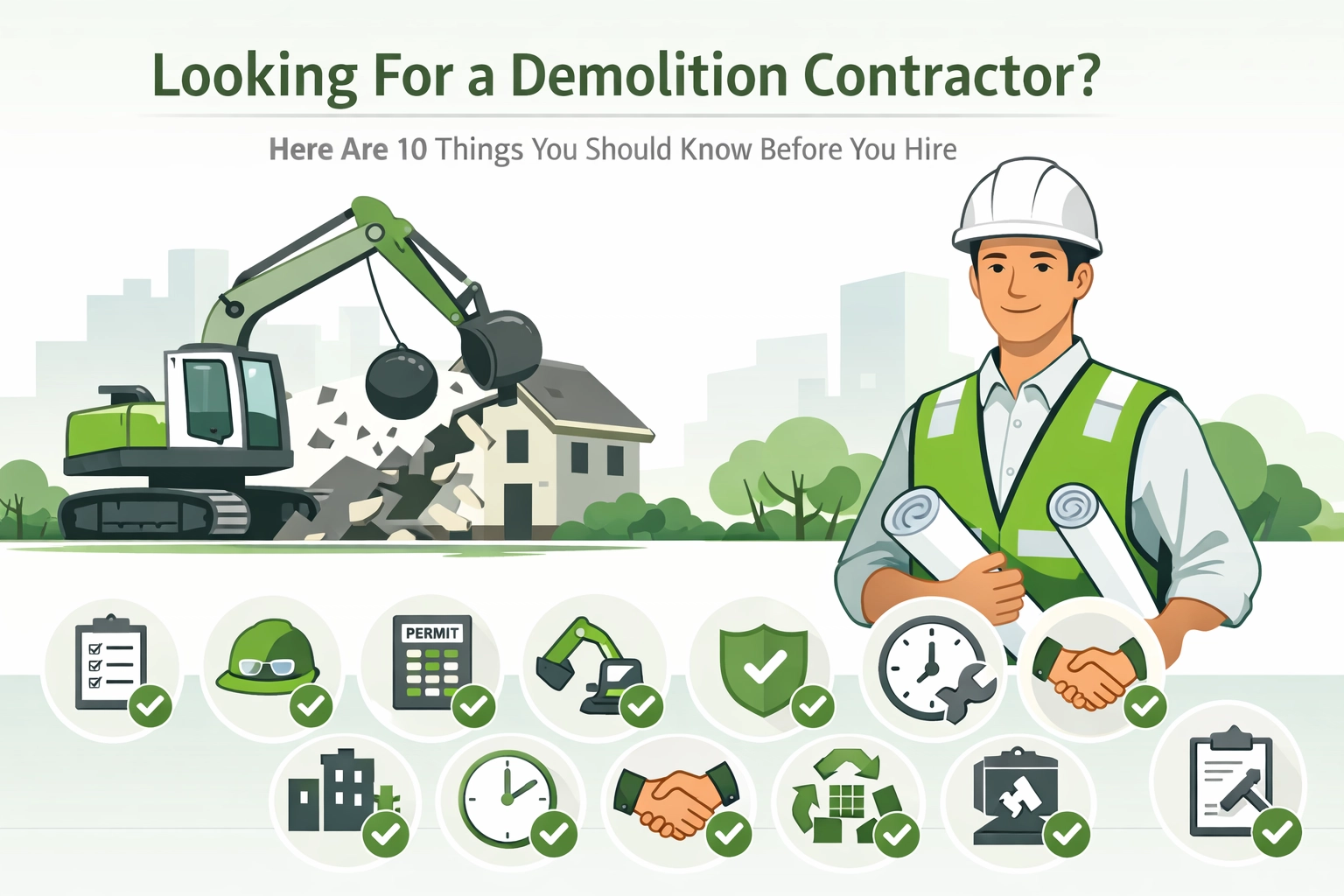
Hiring a demolition contractor isn't like booking a landscaper or electrician. You're inviting someone to take apart a structure: sometimes an entire building: on your property. One wrong move and you're dealing with structural damage, safety hazards, or a financial nightmare.
Whether you're planning a kitchen gut, a commercial tenant improvement, or a full building teardown in Delaware County or Chester County, here's what you absolutely need to know before signing a contract.
1. Licensing and Insurance Aren't Optional
This is non-negotiable. Your demolition contractor must be fully licensed and insured in Pennsylvania.
Here's what that means for you:
- Liability insurance protects you if something goes wrong (like damage to neighboring properties)
- Workers' compensation ensures you're not liable if a worker gets injured on your property
- Bonding provides financial recourse if the contractor fails to complete the job
Ask to see proof of insurance and verify the policy is current. A legitimate contractor will provide this without hesitation. If they dodge the question or say they'll "get it to you later," walk away.
2. Dust Control Matters More Than You Think
Most demolition contractors will tell you dust is "just part of the job." That's lazy and unprofessional.
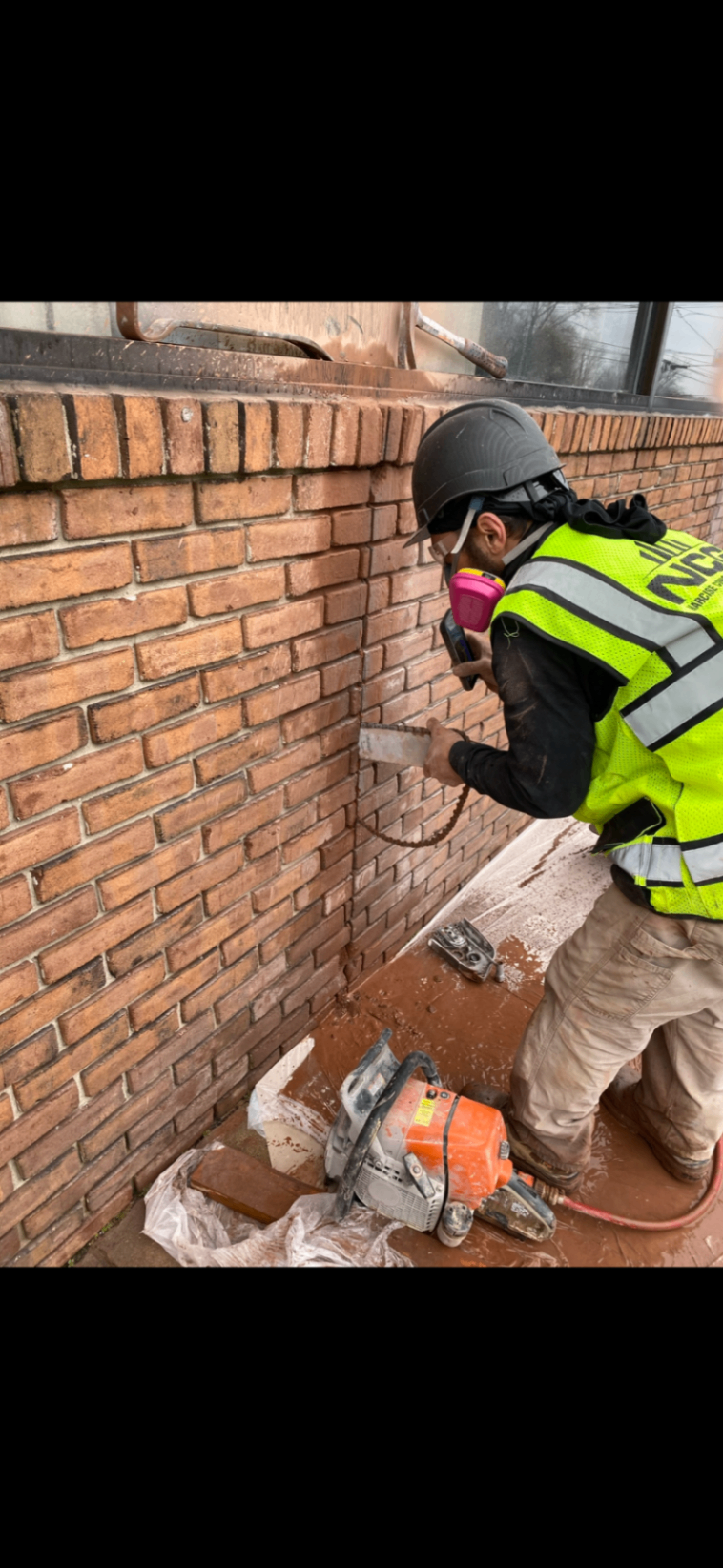
At Narcise Construction Group, we use what we call Narcise Clean dust containment protocols. This includes:
- Heavy-duty plastic sheeting to seal off work areas
- HEPA filtration systems where needed
- Negative air pressure setups for contained demolition
- Daily cleanup and debris management
If you're doing interior demolition in an occupied building or a home where you're living during renovations, dust control is critical. Poor containment means dust settling into HVAC systems, ruining furniture, and creating respiratory hazards.
Ask your contractor what their dust management plan looks like. If they shrug or mention a tarp, keep looking.
3. Get Honest, Upfront Pricing: In Writing
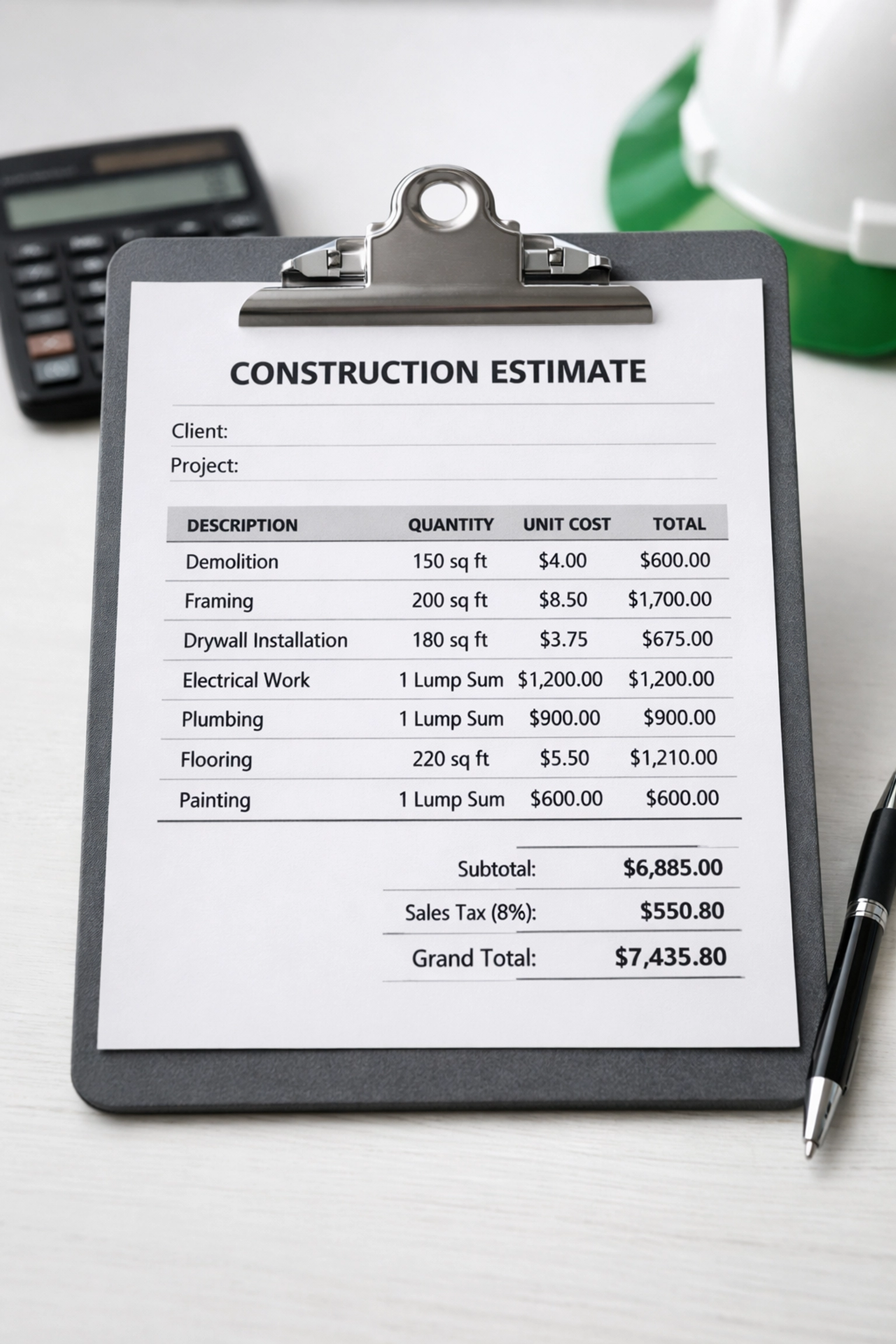
Demolition pricing shouldn't be a mystery. You should receive a detailed written estimate that breaks down:
- Labor costs
- Equipment and tool rental fees
- Disposal and haul-away charges
- Permit fees (if applicable)
- Timeline for completion
Beware of contractors who give you a vague verbal quote or dramatically undercut everyone else. The lowest bid often means corners will be cut: whether that's in safety, disposal practices, or completion quality.
A professional estimate also includes a clear payment schedule. You should never pay the full amount upfront.
4. Multi-Trade Coordination Experience Is Essential
Demolition rarely happens in a vacuum. Most projects involve coordination with:
- Plumbers (shutting off water lines, capping pipes)
- Electricians (disconnecting power, removing fixtures)
- HVAC technicians (relocating ductwork)
- Structural engineers (for load-bearing wall removal)
If your demolition contractor has experience managing these trades, your project runs smoother. They know when to bring in specialists, how to sequence the work properly, and how to avoid costly mistakes.
Ask potential contractors about their experience with multi-trade projects, especially if you're doing a commercial tenant improvement or a complex residential remodel.
5. Disposal Practices Affect Your Bottom Line
Where does the debris go after it's demolished? This isn't just an environmental question: it's a cost question.
Responsible contractors:
- Sort materials for recycling (metal, concrete, wood)
- Dispose of hazardous materials properly (asbestos, lead paint)
- Use licensed waste facilities
- Provide documentation of disposal for your records
Fly-by-night operators might dump debris illegally to save money, which can come back to haunt you legally. Ask how and where materials will be disposed of, and request receipts if needed.
6. Specialized Equipment Makes the Difference
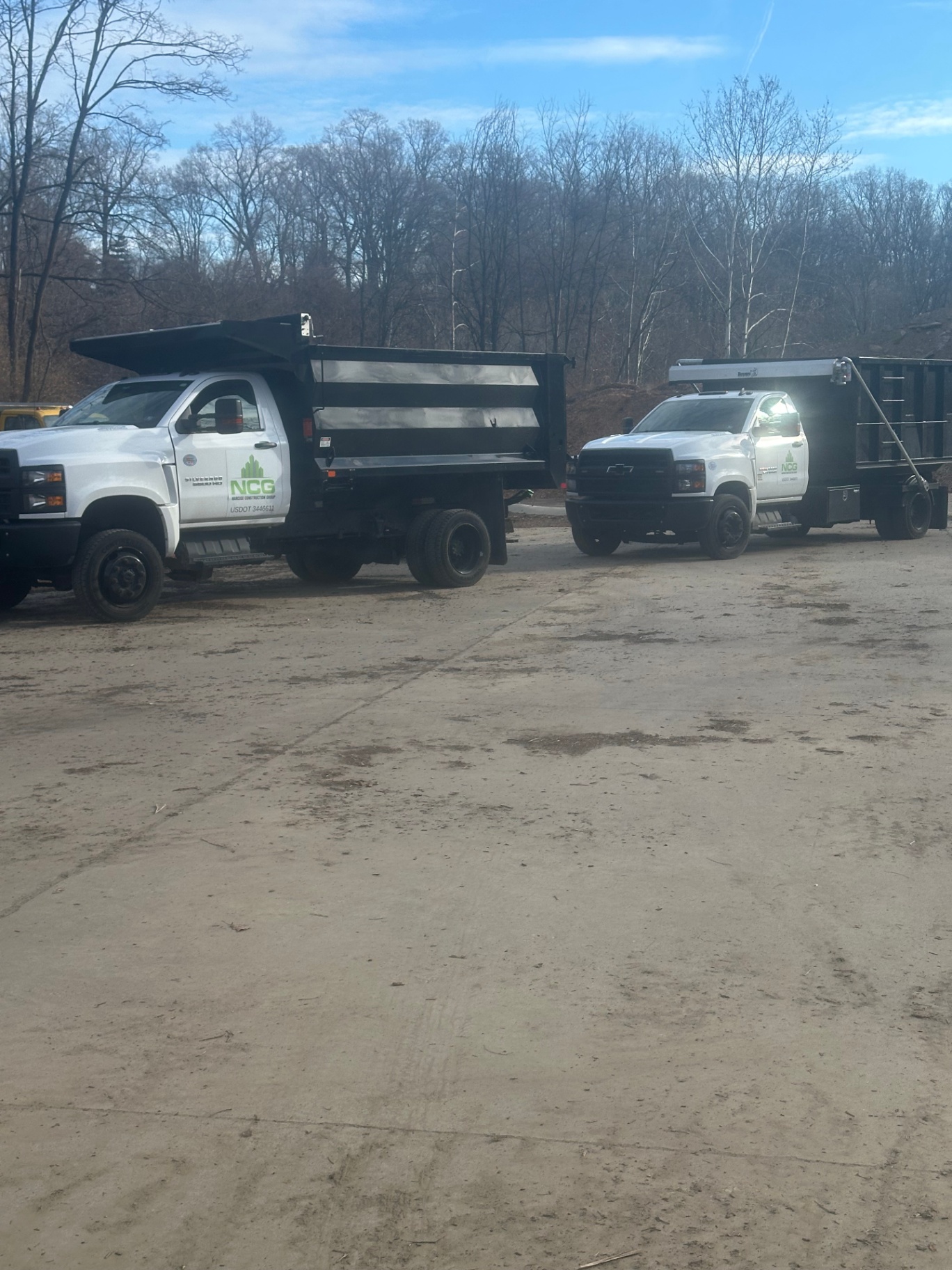
Not all demolition contractors have the same tools. And that matters.
For precision work: like cutting concrete slabs, removing specific walls, or working in tight spaces: you need specialized equipment:
- Concrete saws for clean, controlled cuts
- Bobcats and mini excavators for interior demolition
- Dust extraction systems for containment
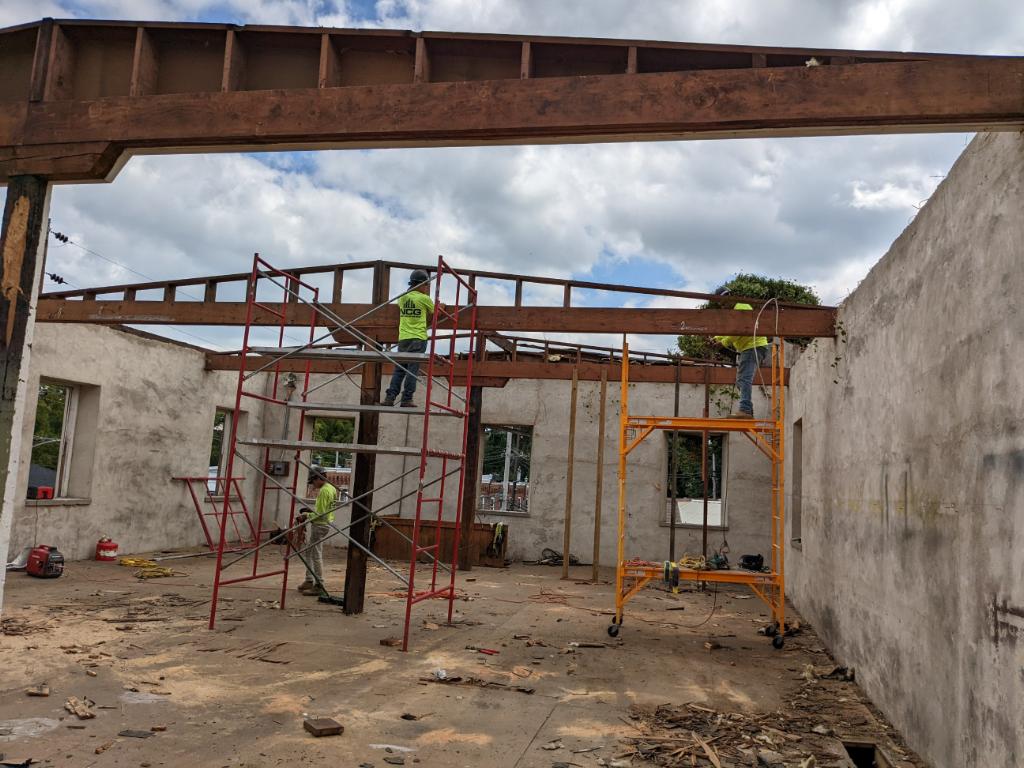
- Scaffolding and safety rigging for multi-story work
A contractor with the right equipment completes jobs faster, cleaner, and with less collateral damage. If they're showing up with just sledgehammers and a dumpster, you're not getting precision work.
7. Safety Protocols Should Be Standard, Not Optional
Demolition is inherently dangerous. The contractor you hire should have clear safety protocols in place, including:
- Daily job hazard analysis
- OSHA-compliant practices
- Proper PPE (personal protective equipment) for all workers
- Site security and fencing for larger projects
Ask about their safety record. Have they had injuries on past jobs? How do they handle unexpected hazards like hidden utilities or structural instabilities?
A safe job site protects everyone: workers, neighbors, and you.
8. References and Past Work Tell the Real Story
Don't just take a contractor's word for it. Ask for references from recent projects similar to yours.
Contact those references and ask:
- Was the project completed on time?
- Did they stay within budget?
- How was communication throughout the process?
- Was the site left clean after completion?
- Would you hire them again?
Also, check online reviews. Look for patterns: not just one-off complaints, but recurring issues like poor communication, hidden fees, or incomplete cleanup.
9. Clear Communication From Day One
Your demolition contractor should be easy to reach and proactive about updates. Red flags include:
- Taking days to respond to calls or emails
- Vague answers to direct questions
- No clear point of contact for the project
- Inconsistent crew showing up on site
At Narcise Construction Group, we assign a project manager to every job. You get one phone number, one person who knows your project inside and out, and regular updates on progress.
Good communication prevents misunderstandings, delays, and frustration.
10. A Written Contract Protects Everyone
Never proceed with demolition work on a handshake. A professional contractor will provide a detailed written contract that includes:
- Full scope of work
- Start and completion dates
- Payment schedule and total cost
- Responsibilities for permits and inspections
- Procedures for handling unexpected issues (like discovering asbestos)
- Cleanup and site restoration details
Review the contract carefully before signing. If something isn't clear, ask for clarification. A reputable contractor wants you to understand exactly what you're agreeing to.
Hiring a Demolition Contractor in Delaware County or Chester County?
If you're planning a demolition project in Delco, Chester County, or the surrounding Philadelphia suburbs, Narcise Construction Group brings the experience, equipment, and professionalism you need.
We specialize in:
- Residential demolition (kitchen guts, bathroom tearouts, whole-house demo)
- Commercial demolition (tenant improvements, building strip-outs)
- Selective hand demolition (precision work in occupied buildings)
- Concrete cutting and removal
📞 Ready to get started? Call us at (484) 483-4978 or text photos of your project for fast, honest pricing.
📩 Have questions? Visit our website or read more on our blog.
Don't settle for a contractor who treats demolition like junk removal. Choose a team that does it right: safely, cleanly, and efficiently.