
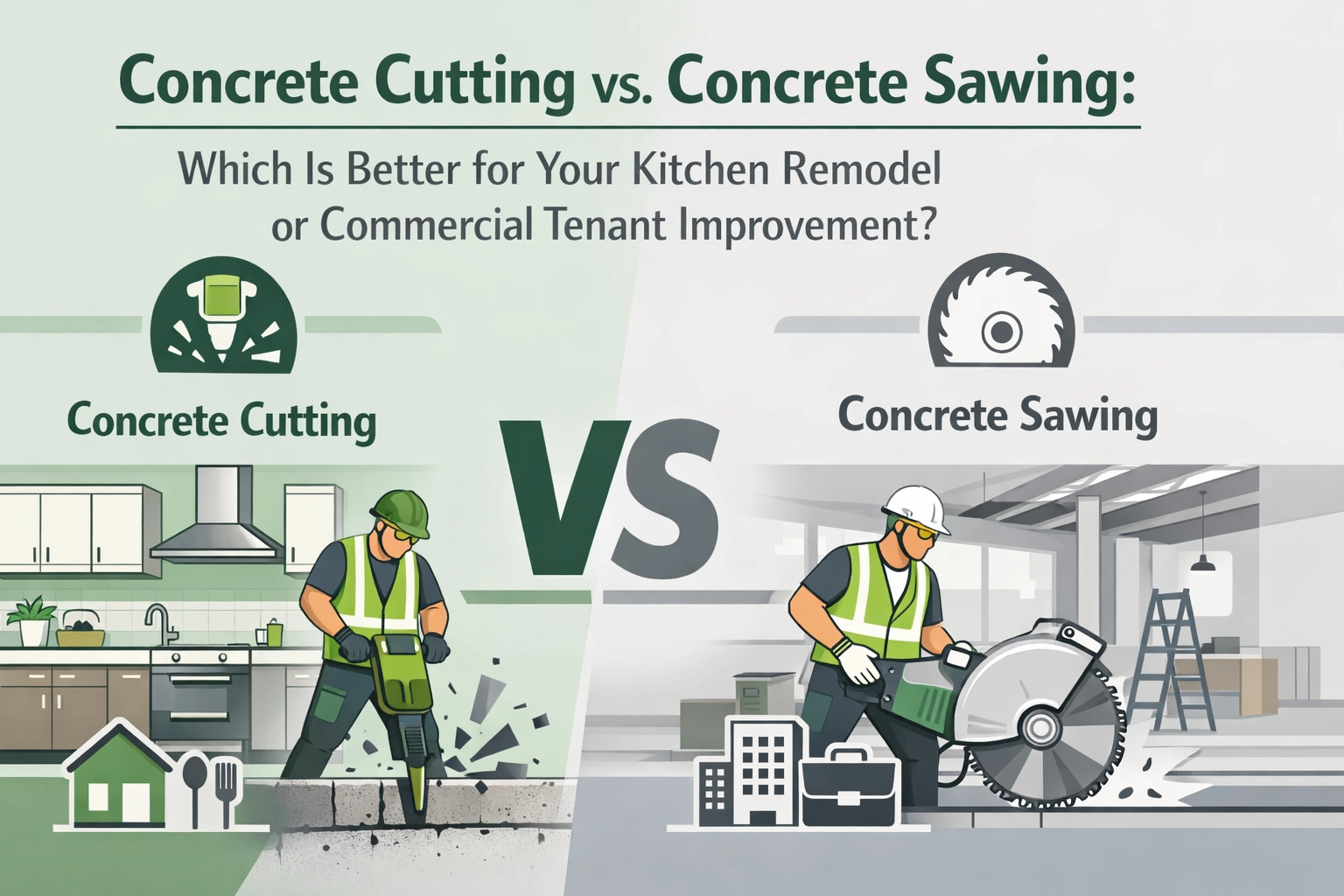
If you're planning a kitchen remodel in Delaware County or a commercial tenant improvement in Wilmington, chances are you'll need to modify some concrete. Maybe it's cutting a trench for new plumbing lines under your kitchen island. Or opening up a floor slab for HVAC ductwork in a commercial space.
But here's where it gets confusing: contractors throw around terms like "concrete cutting" and "concrete sawing" like they're interchangeable. They're not.
Understanding the difference will save you money, protect your existing structure, and help you get the clean, precise results your project actually needs.
At Narcise Construction Group, we handle both methods regularly across Chester County, Delaware County, and South Jersey. Here's what you need to know before your next remodel or tenant improvement project.
What's the Actual Difference Between Concrete Cutting and Sawing?
Let's clear this up right away.
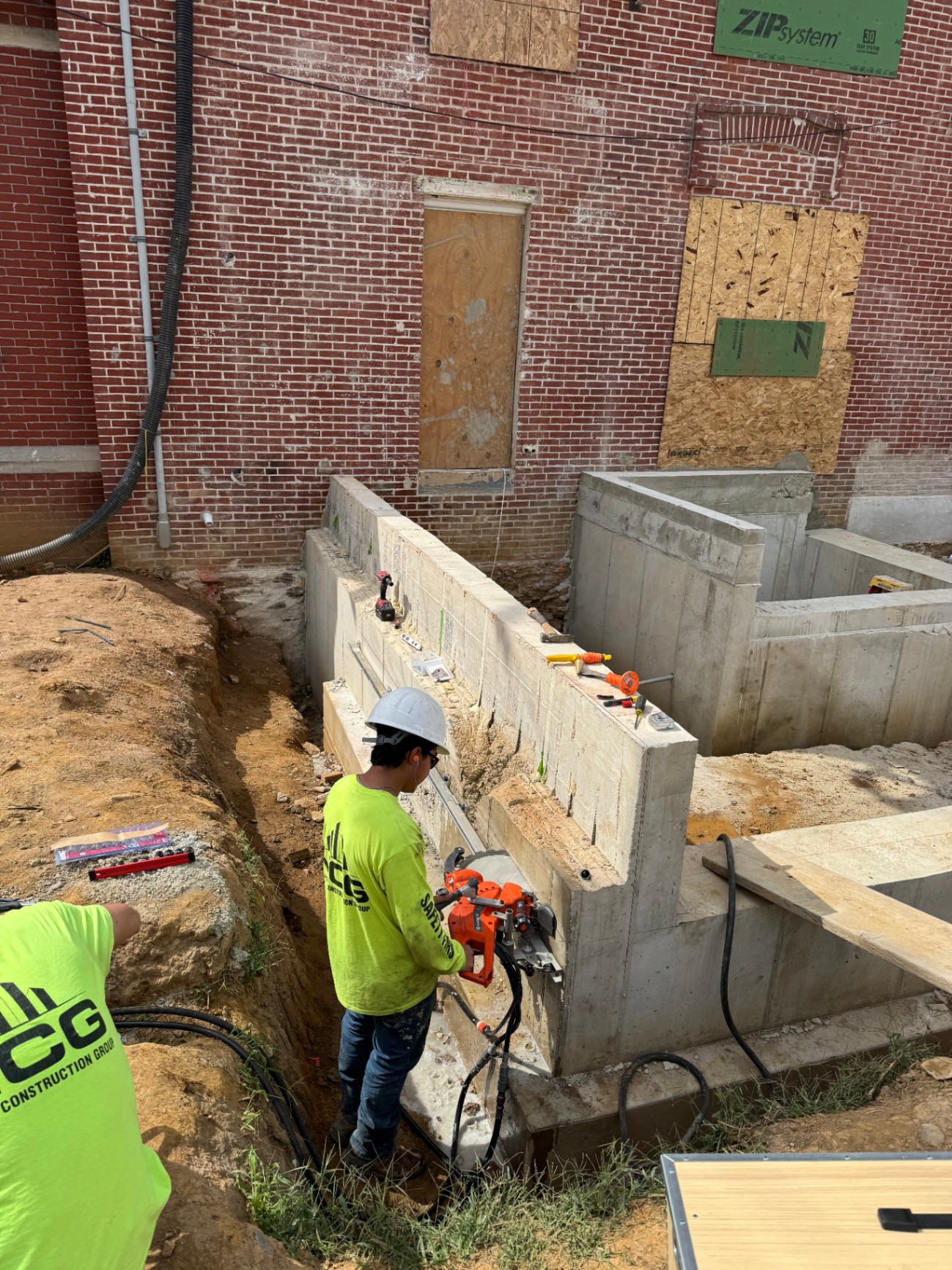
Concrete sawing uses specialized circular diamond blades attached to powerful saws. Think of it like a surgeon's scalpel : it's designed for precision work where you need clean, straight lines and minimal collateral damage.
Concrete cutting is the broader term that includes sawing plus heavier-duty removal methods like jackhammers, breakers, and demolition tools. It's about breaking down or removing concrete sections quickly, especially when you're dealing with large volumes or full demolition.
The key difference? Sawing is about precision. Cutting is about removal.
For most kitchen remodels and commercial tenant improvements, you need sawing first : then targeted removal second.
When You Need Concrete Sawing (Not Just Cutting)
If your project involves any of these scenarios, concrete sawing is your go-to method:
Creating Clean Openings
You're adding a doorway between two commercial units. Or cutting out a section of your basement floor to install a new bathroom. Sawing gives you smooth, controlled cuts that won't crack adjacent areas or compromise surrounding structure.
We use diamond-blade saws to create precise openings for:
- Doorways and windows
- Ventilation penetrations
- Utility chases
- Structural modifications
The finish is clean enough that it's ready for the next trade without additional grinding or patching.
Installing New Utilities and Plumbing Lines
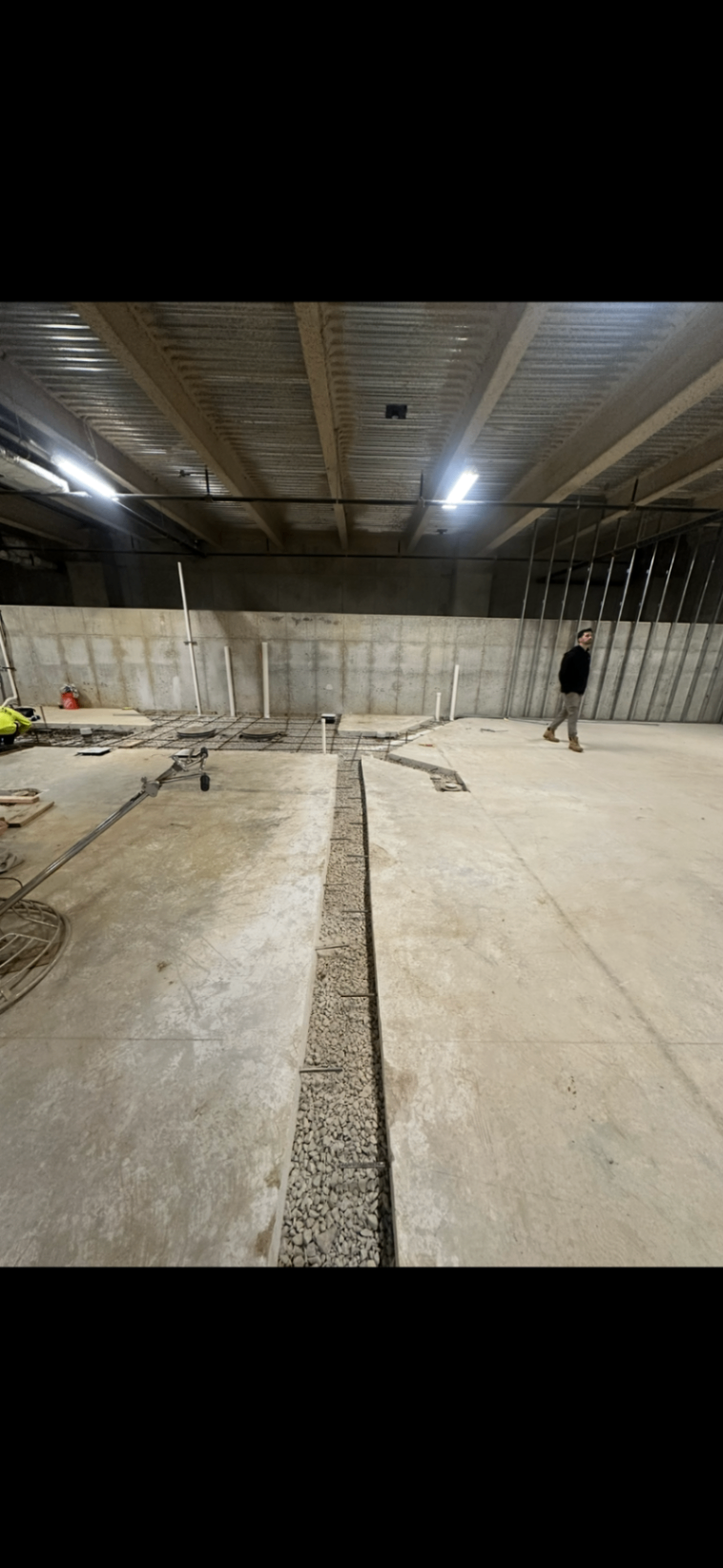
Your kitchen remodel needs new drain lines under the slab. Or your commercial tenant improvement requires trenching for electrical conduit.
Concrete sawing lets us cut exact-width trenches without over-excavating or damaging existing utilities nearby. That's critical when you're working around existing plumbing, gas lines, or electrical runs.
We coordinate directly with plumbers and electricians to ensure:
- Trench depth matches pipe diameter and code requirements
- Cut location avoids existing infrastructure
- Access points are positioned for easiest installation
Minimizing Vibration Damage
Here's something most homeowners don't think about: jackhammering concrete creates massive vibrations that can crack tile, damage drywall, and even compromise foundation integrity.
Sawing produces almost zero vibration.
If you're doing a kitchen remodel in a historic Swarthmore home or a tenant improvement in a multi-story Wilmington office building, that matters. We're not just protecting your project : we're protecting the rest of the building.
When You Actually Need Full Concrete Cutting (Removal + Demolition)
Sometimes sawing alone won't cut it. (Pun absolutely intended.)
You need full concrete cutting when:
Removing Large Sections Entirely
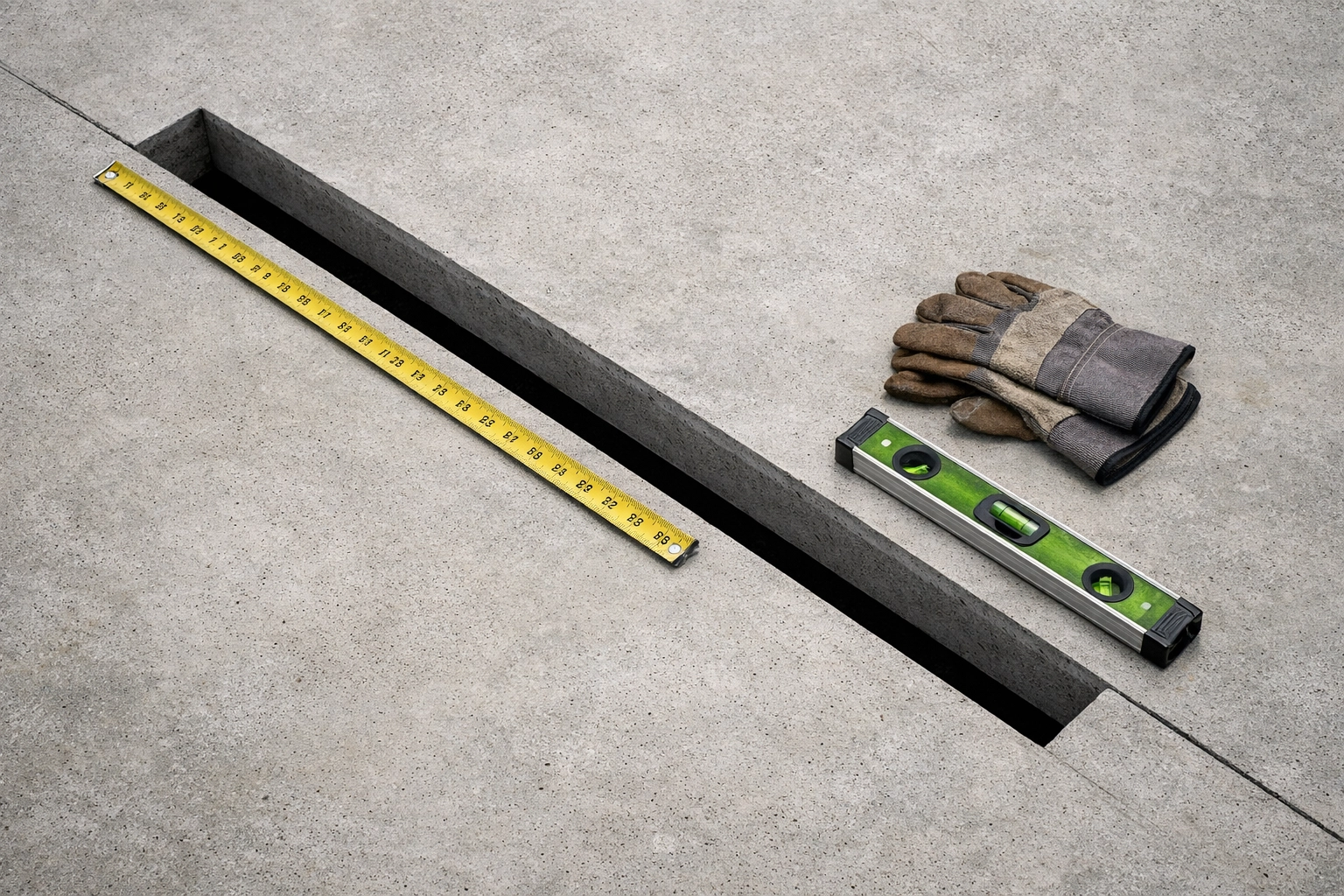
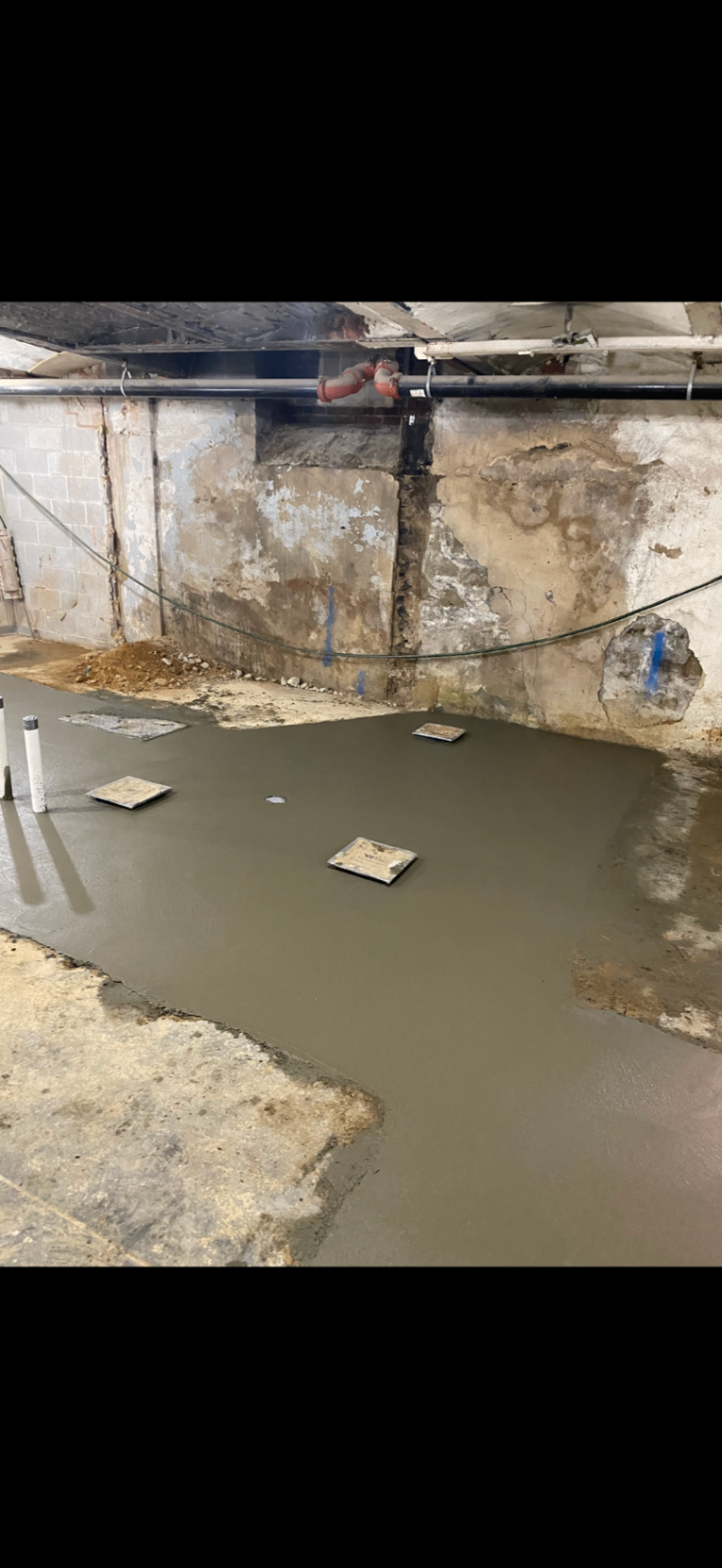
You're demoing an entire concrete patio to make room for a new addition. Or removing a full basement slab to add height for a finished lower level. In these cases, we'll saw the perimeter for clean edges, then use breakers and jackhammers to remove the interior sections quickly.
Heavy Demolition Projects
Full commercial building gut-outs, parking lot removal, or structural teardowns require speed and power. We'll still use sawing strategically for control cuts, but the bulk of the work involves heavier equipment.
When Precision Isn't the Priority
If you're removing concrete that's getting fully replaced anyway : and there's nothing adjacent that could be damaged : cutting methods like breakers are faster and more cost-effective.
Why Most Kitchen Remodels Need Sawing (Not Heavy Cutting)
Let's talk specifically about residential kitchen projects in Delaware County and Chester County.
You probably need concrete sawing if:
- You're installing a new kitchen island with plumbing (requires trenching for drain lines)
- You're relocating your sink to a different wall (new supply and drain routing)
- You're adding radiant floor heating under tile (requires shallow channels for tubing)
- You're creating access for basement mechanicals under the kitchen floor
In every one of these cases, precision matters more than speed. You're not demolishing the entire floor : you're modifying small sections in a way that protects the rest of your slab and keeps your project on schedule.
We see this constantly with kitchen remodels in Havertown, Media, and Newtown Square. Homeowners hire a general contractor who subcontracts the concrete work to whoever's cheapest. That crew shows up with a jackhammer, cracks half the surrounding slab, and suddenly your two-week kitchen project is delayed while you deal with foundation repairs.
Our approach is different.
We saw first. We remove only what's necessary. We coordinate with your plumber before we make the first cut so the trench is exactly where it needs to be. And we manage dust and debris so your HVAC system isn't circulating concrete dust for the next six months.
What Commercial Contractors Need to Know About Tenant Improvements
If you're a GC or project manager handling tenant improvement work in Wilmington, King of Prussia, or Cherry Hill, here's what you already know: concrete work is where TI projects get delayed or go over budget.
Tenant improvements almost always require some level of concrete modification:
- Opening floor slabs for new HVAC runs
- Cutting trenches for data and electrical infrastructure
- Creating access panels for utilities
- Modifying loading dock areas or storefronts
The problem? Most concrete subcontractors either overbid to cover unknowns, or underbid and cut corners that create problems for the next trade.
Narcise Construction Group specializes in surgical concrete work for commercial TI projects. We price honestly upfront, we stick to the schedule, and we communicate directly with mechanical, electrical, and plumbing trades to avoid conflicts.
We've handled tenant improvements across:
- Office buildings
- Medical facilities
- Retail spaces
- Industrial warehouses
Our crew shows up when we say we will, completes the scope as specified, and leaves the site clean for the next phase. No surprises. No change orders unless the actual scope changes.
Dust Control and Site Protection: The Part Nobody Talks About
Here's the dirty secret about concrete cutting and sawing: both methods create an insane amount of dust.
Silica dust, specifically. It's dangerous to breathe, it gets into HVAC systems, and it coats every surface within 50 feet if you're not controlling it properly.
At NCG, we use wet-cutting methods and HEPA-rated dust extraction systems on every concrete sawing job. Not because it's required (though it often is for commercial projects) : because it's the right way to do the work.
For residential kitchen remodels, that means:
- Your furniture isn't covered in concrete dust
- Your HVAC filter isn't clogged with silica
- The rest of your house stays livable during the remodel
For commercial tenant improvements, it means:
- Adjacent tenants aren't impacted
- Building HVAC systems stay clean
- We stay compliant with OSHA silica regulations
Dust control isn't an upsell. It's standard on every NCG concrete project.
So Which Method Is Right for Your Project?
Here's the short answer:
For kitchen remodels and most commercial tenant improvements, concrete sawing is almost always the right choice. It's precise, controlled, and protects your existing structure.
You'll need full concrete cutting (with heavier removal methods) if you're doing large-scale demolition, removing entire sections of slab, or working on projects where speed outweighs precision.
In many cases, you'll need both. We saw the perimeter for clean edges and control, then use breakers or jackhammers to remove interior sections efficiently. That's the approach we take on most commercial projects and larger residential renovations.
Not sure which method your project needs? Send us photos. We'll tell you exactly what's required : and price it honestly upfront.
Work With a Demolition Contractor Who Actually Knows Concrete
Narcise Construction Group isn't a junk hauler with a rented jackhammer. We're a fully licensed and insured demolition contractor specializing in surgical interior demo, concrete sawing and cutting, and clean site execution.
We handle projects across Delaware County, Chester County, Wilmington, and South Jersey : from single-family kitchen remodels to multi-story commercial tenant improvements.
📞 Ready to get started?
Text us project photos and your address for fast, honest pricing: (484) 947-0768
Or visit us at narciseconstructiongroup.com to see our recent work and learn more about how we approach every project.
We'll tell you exactly what method your project needs : and why. No fluff, no upsells, just honest guidance from a crew that does this work every single day.